
Serving clients throughout Staten Island, Brooklyn & New York City
Last Updated: September 4, 2026
Everyone wants to know how long for facial results to show up, and the honest answer is that you will see two very different timelines. The first is the immediate glow you notice the moment you leave the studio. Your skin looks plumper, feels smoother, and has a lit-from-within radiance that comes from deep cleansing, gentle exfoliation, and the hydration your esthetician layers on during your treatment.
That initial glow is real, but it is temporary. It typically lasts anywhere from a few days to about a week, depending on your skin type and how well you care for it afterward. At SI Glam Glow, we explain to every client that what they see in the mirror right after a facial is the preview, not the finish line. The deeper changes, the ones that address texture, tone, and fine lines, take longer because they depend on your skin’s natural renewal cycle.
The immediate glow is only half the story. The real question, how long for facial results to become visible at a cellular level, comes down to skin cell turnover. Your skin is constantly shedding old cells and generating new ones, and this process slows down as we age.
Professional treatments work with this natural cycle to speed it up and improve the quality of the new cells being produced. The timeline below reflects a realistic expectation for most people after a series of professional facials.
During the first two weeks, your skin is adjusting. Active ingredients from your facial are encouraging faster cell turnover, which means you may notice a more even surface and a reduction in dullness. If you had extractions or a deeper exfoliation, this is the period where any redness or sensitivity settles down.
By weeks three and four, the cumulative effects become noticeable. Hyperpigmentation may look lighter, skin texture feels smoother, and fine lines appear softened. This is when most clients start to see the changes they were hoping for, but it requires consistency with both your treatments and your home care routine.
Weeks five through eight are where collagen production kicks in. This is the phase that supports firmer, more resilient skin over time. Results continue to build, and the improvements you see at week eight are more structural than cosmetic. This deeper change is why a single facial is never enough; a series is what delivers lasting results.
A common misconception is that an expensive at-home skincare routine can replace professional treatments. The reality is more nuanced: they serve different functions, and the combination of both is what creates lasting results.
What At-Home Products Actually Do
Your daily skincare routine maintains your skin’s barrier, delivers hydration, and applies active ingredients like retinol, niacinamide, or vitamin C. These products work gradually and are designed for safety and tolerability at home. A well-formulated retinol serum, for example, may improve fine lines and texture over 8-12 weeks of consistent use. Vitamin C can brighten dullness over 4-6 weeks. These are real, measurable benefits, but they operate within the limits of topical application.
What Professional Facials Deliver That Home Care Cannot
Professional treatments access your skin in ways topical products cannot. During a facial, an esthetician can perform manual extractions to clear congestion that no at-home product can address. Professional-grade exfoliation, whether chemical peels, microdermabrasion, or enzymatic treatments, removes dead skin cells at a depth and intensity that over-the-counter exfoliants are not formulated to match. Treatments like microcurrent facials or radiofrequency devices stimulate collagen production through technology, not chemistry. Some professional treatments use medical-grade serums at concentrations higher than retail products, and the esthetician’s technique ensures even application and optimal penetration.
The key difference: at-home products work on the surface and upper epidermis; professional treatments can reach the dermis and stimulate deeper cellular changes.
How Long Results Last: The Durability Question
This is where the comparison becomes practical. A client using only at-home skincare might see steady improvement over 12 weeks, but the results plateau without professional intervention. Once you stop using the product or skip doses, improvement stalls or reverses. A client receiving monthly professional facials paired with a solid home routine sees results that build cumulatively and are more resilient. The professional treatment resets and amplifies what the home routine maintains.
For example, someone using a retinol serum alone might achieve an improvement in fine lines over three months. That same person adding a monthly collagen-stimulating facial (such as microcurrent) might achieve greater improvement in the same timeframe, and the results are more durable because the deeper structural changes support the surface improvements.
The Budget Reality
Higher-cost at-home products do not automatically yield longer-lasting results than consistent, affordable home care paired with professional treatments. What matters is consistency and fit for your skin type. Conversely, a single expensive professional treatment without home care support will fade quickly. The most cost-effective approach is a modest, consistent home routine paired with monthly professional facials. This combination creates results that last and build over time, whereas either alone creates temporary or limited improvement.
The Bottom Line
Think of your home routine as daily maintenance and professional facials as the periodic reset that amplifies everything else you are doing. Together, they create a synergy that neither can achieve alone. Your esthetician can recommend products that complement your skin type and treatment plan, ensuring that what you do at home supports what happens in the studio.
The ideal facial frequency depends on your skin concerns and the type of treatment you are receiving. As a general guideline, a monthly facial aligns perfectly with your skin’s natural cell turnover cycle, which takes about 28 days. This schedule keeps your skin in a constant state of improvement.
For those addressing specific concerns like acne or hyperpigmentation, a professional might recommend a more intensive schedule every two to three weeks for a few months, then transition to monthly maintenance. Here is a simple breakdown of how often to get a facial for best results:
| Goal | Recommended Frequency | Treatment Focus |
|---|---|---|
| General glow and maintenance | Every 4-6 weeks | Deep cleansing, hydration, light exfoliation |
| Acne or congestion | Every 2-3 weeks initially | Extractions, antibacterial treatments |
| Hyperpigmentation or texture | Every 3-4 weeks | Chemical peels, advanced exfoliation |
| Anti-aging and collagen support | Monthly, ongoing | Microcurrent, collagen-stimulating treatments |
Consistency matters more than intensity. One facial every few months will give you a temporary glow, but it will not create the lasting changes that a regular schedule supports.
What you do in the 48 hours after a facial has a huge impact on how long your results last. Your skin is more receptive and also more vulnerable immediately after treatment, so gentle care is essential.
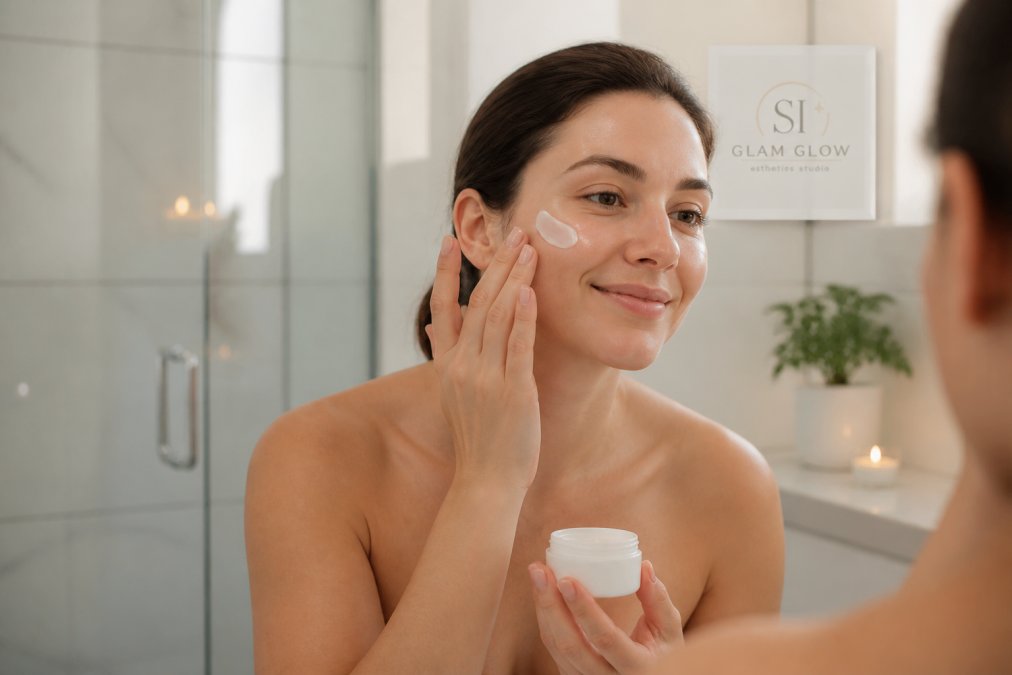
Post-treatment care is where many people undo their results. Following these professional facial aftercare tips will protect your skin and extend the benefits of your treatment.
When comparing BioRePeel vs traditional chemical peels, the biggest difference is the recovery period and how quickly you see results. Traditional chemical peels often require visible peeling and several days of downtime, which discourages many people from trying them.
BioRePeel is a bi-phasic peel that works differently. It delivers the benefits of a deep peel without the visible flaking, making it a popular choice for those with busy schedules. You can typically return to normal activities immediately, and the skin does not peel in the obvious way associated with older peels. This makes the timeline for visible results faster in a practical sense, since there is no waiting period for skin to recover before you can enjoy the benefits.
Several factors influence how quickly your skin responds to professional treatment, and understanding them helps set realistic expectations for your own timeline.
Age and Cell Turnover Rate
Your age is one of the most significant variables. Skin cell turnover takes approximately 28 days in your 20s, but this cycle slows considerably with time. By your 40s, turnover may take 40-50 days, and by your 60s, it can stretch to 60 days or longer. This means a client in their 20s might see visible texture improvements within 2-3 weeks of consistent facials, while someone in their 50s may need 4-6 weeks to notice the same changes. This is not a limitation, it is simply biology. Professional treatments work with your skin’s natural pace, but the pace itself changes.
Skin Type and Condition
Oily and combination skin often responds faster to exfoliating treatments because the skin barrier is naturally more resilient and cell turnover is typically quicker. Dry or sensitive skin may need gentler approaches and longer intervals between treatments, which can extend the timeline for visible results. Skin with active inflammation or barrier damage also requires a slower, more cautious approach to avoid setbacks.
Lifestyle and Environmental Factors
What happens outside the treatment room matters as much as what happens inside it. Sleep quality directly affects your skin’s repair capacity, poor sleep impairs collagen production and increases cortisol, which can counteract the benefits of your facial. Dehydration slows cell turnover and reduces skin plumpness, making results less noticeable. Diet influences skin health too; high-sugar or inflammatory foods can trigger breakouts or dullness that overshadow the improvements from treatment.
Environmental exposure is equally important. Sun damage accelerates skin aging and can fade results quickly if you are not using daily sunscreen. Pollution and chlorine exposure also degrade the benefits of treatment. Stress elevates cortisol and can trigger breakouts or sensitivity, undoing progress. These factors are not always within your control, but awareness of them helps explain why two people on identical treatment schedules may see different timelines.
Consistency with Home Care
Your at-home routine is the bridge between professional treatments. Skipping steps, using the wrong products for your skin type, or abandoning your routine after a few weeks will compress your results timeline dramatically. Someone who uses a consistent morning and evening routine with appropriate actives and sunscreen will see results build and last. Someone who is sporadic will see a temporary glow that fades within days.
The Specific Concern You Are Addressing
Not all skin concerns respond on the same timeline. Fine lines and dullness often improve within 3-4 weeks of consistent treatment. Hyperpigmentation or post-inflammatory marks may take 8-12 weeks or longer, depending on depth and how long the marks have been present. Acne and congestion can improve rapidly with the right extraction and treatment protocol, sometimes within 2-3 weeks. Deeper textural concerns like scarring or severe sun damage may require ongoing treatment over several months to see meaningful change.
The key to long-lasting results is pairing professional treatments with a thoughtful home routine. Your esthetician can recommend products that complement your skin type and address your specific concerns. Consistency with both is what separates people who look good for a week after a facial from those who maintain a healthy glow year-round.
At SI Glam Glow, we believe in educating our clients so they understand their skin and how to care for it between visits. Every treatment plan is personalized, which means your timeline for results may differ from someone else’s. That is normal. Skin health is a gradual process, and the best results come from patience and regular care.
If you are curious about which treatment might suit your skin or how long for facial results to develop for your specific concerns, our team is happy to talk through your options and set realistic expectations.
You’ll notice an immediate glow right after your facial, that’s the result of increased hydration and improved circulation. Visible improvements in skin texture, tone, and fine lines typically emerge over 2-4 weeks as your skin cell turnover cycle accelerates and collagen production increases. More dramatic results, especially for acne or hyperpigmentation, may take 6-8 weeks of consistent treatment and proper aftercare. Results vary based on your skin type, concerns, and the specific facial treatment you receive.
Most skin benefits from a professional facial every 4-6 weeks, which aligns with your skin’s natural 28-day renewal cycle. This frequency helps maintain consistent collagen production, prevents acne breakouts, and keeps your skin barrier healthy. If you’re addressing specific concerns like acne or hyperpigmentation, your esthetician may recommend closer spacing initially, every 2-3 weeks, then spacing out as your skin improves. Maintenance schedules depend on your skin type, age, and treatment goals.
Do keep your skin hydrated, use gentle cleansers, and apply sunscreen daily. Avoid hot water, intense exercise, and direct sun exposure for 24-48 hours. Don’t use active ingredients like retinoids or vitamin C immediately after, wait 3-5 days. Avoid touching your face, wearing heavy makeup, or using harsh scrubs. If you’ve had a deeper treatment like BioRePeel, expect mild peeling; this is normal and part of the cellular regeneration process. Your esthetician will provide specific aftercare instructions based on your treatment.
Yes, significantly. Oily skin often shows faster visible improvements in texture and pore refinement because exfoliation and extraction work more effectively on active skin. Dry skin may need more hydration-focused treatments and may show results more gradually. Sensitive skin requires gentler approaches and may benefit from slower treatment frequencies to avoid irritation. Age also matters, younger skin typically regenerates faster, while mature skin may need longer to show cumulative results from collagen production. A personalized consultation helps determine your realistic timeline.
Book a personalized consultation at our Staten Island studio and get a skin plan built around your goals.
Book a Consultation