
Serving clients throughout Staten Island, Brooklyn & New York City
Last Updated: August 15, 2026
Teen acne develops when hair follicles become clogged with dead skin cells and sebum, the oil your skin naturally produces. During puberty, hormonal surges trigger increased sebum production while skin cell turnover accelerates, but dead cells don’t always shed cleanly. When excess oil and dead cells accumulate inside a pore, bacteria multiply, causing inflammation and the visible bumps, whiteheads, and blackheads most teenagers experience.
Understanding this process matters because it shapes how you treat acne effectively. The goal isn’t just clearing existing breakouts; it’s managing oil production, promoting healthy skin turnover, and preventing new breakouts from forming.
A consistent routine is the foundation of managing acne-prone skin. The three core steps, cleanse, treat, and protect, work together to reduce oil buildup, support skin healing, and prevent irritation.
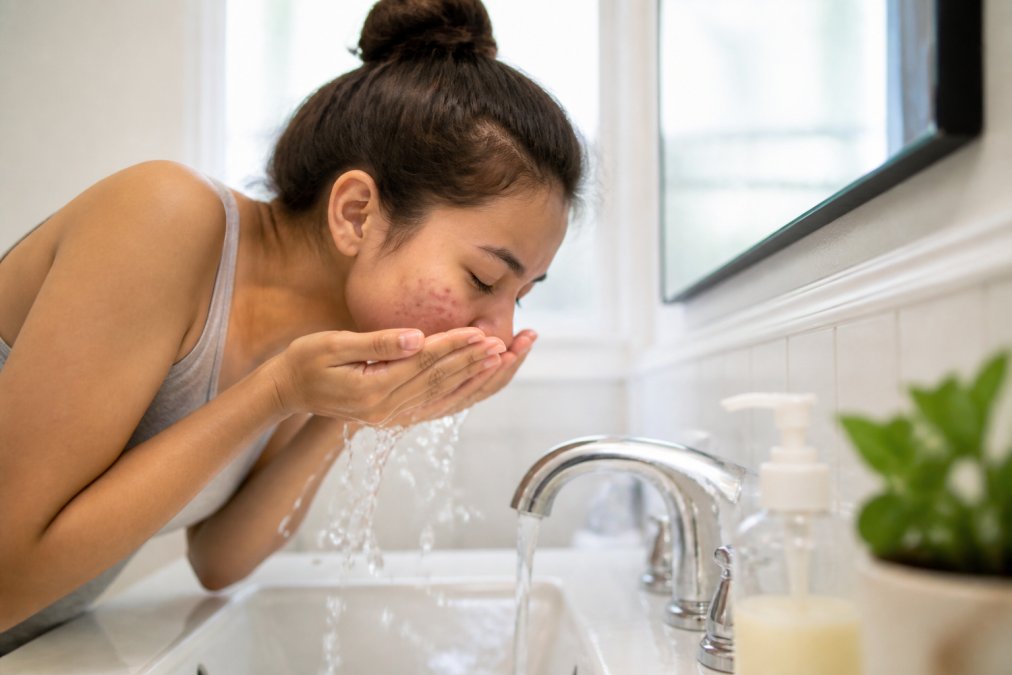
Start with a gentle cleanser twice daily, morning and night. Choose a non-comedogenic formula with salicylic acid, a beta hydroxy acid that penetrates pores to dissolve sebum and dead skin buildup. Cleanse gently for 30-60 seconds using lukewarm water and your fingertips or a soft cloth. Avoid harsh scrubbing, which can irritate skin and worsen inflammation. Pat skin dry with a clean towel rather than rubbing.
After cleansing, apply a treatment product containing proven acne-fighting ingredients. Benzoyl peroxide is highly effective at killing acne-causing bacteria and reducing inflammation, available over-the-counter in strengths from 2.5% to 10%.
Retinoids, including prescription retinoids and over-the-counter retinol, speed up skin cell turnover and prevent pore clogging. Start with a low concentration and use 2-3 times per week, then gradually increase frequency as your skin adjusts.
Azelaic acid is another option, especially for sensitive skin or those prone to redness. It supports skin turnover, reduces bacteria, and has anti-inflammatory properties.
Apply treatment products to clean, completely dry skin. Using them on damp skin reduces effectiveness and increases irritation.
Even acne-prone skin needs hydration. When skin is dry, it overcompensates by producing more sebum, which can worsen breakouts. Use an oil-free, non-comedogenic moisturizer with ingredients like hyaluronic acid or glycerin.
Sunscreen is essential, especially when using acne treatments. Many acne medications increase sun sensitivity. A mineral or chemical sunscreen with SPF 30 or higher protects skin from UV damage and prevents post-inflammatory hyperpigmentation that can linger long after acne clears.
Over-the-counter products can effectively treat mild to moderate teen acne when chosen carefully and used consistently.
Benzoyl peroxide comes in cleansers, spot treatments, and leave-on products. It kills acne bacteria and reduces inflammation quickly. Start with 2.5% to 5% strength to minimize dryness, then increase if needed. Results typically appear within 4-8 weeks. Note: benzoyl peroxide can bleach fabrics and hair, so apply carefully and let it dry fully.
Salicylic acid products work by dissolving oil and dead skin inside pores. Concentrations range from 0.5% to 2%. It’s gentler than benzoyl peroxide but takes longer to show results, usually 6-8 weeks.
Adapalene (brand name Differin) is a retinoid available over-the-counter. It’s highly effective at preventing comedones and supporting skin cell turnover. Expect initial adjustment before improvement appears around week 8-12.
Niacinamide supports skin barrier health, reduces sebum production, and has anti-inflammatory effects. It pairs well with other acne treatments and is gentle enough for sensitive skin.
Not all products work well together. Mixing certain ingredients can increase irritation or reduce effectiveness.
Retinol + benzoyl peroxide. Both increase skin sensitivity. If you want to use both, apply them on alternate nights rather than the same evening.
Retinol + vitamin C. Vitamin C is acidic, and retinol works best in a neutral pH environment. Use vitamin C in the morning and retinol at night.
Multiple exfoliating acids. Combining salicylic acid, glycolic acid, and lactic acid damages the skin barrier. Choose one chemical exfoliant and use it consistently before adding another.
Retinol + AHAs/BHAs. Both increase cell turnover. Together, they can cause excessive peeling and sensitivity. If you use a retinoid, skip additional exfoliating acids or use them only 1-2 times per week on non-retinoid nights.
The most effective approach combines ingredients targeting different aspects of acne safely. A practical example: a salicylic acid cleanser (addresses pore clogging) plus benzoyl peroxide spot treatment (kills bacteria) plus a niacinamide moisturizer (supports skin barrier) works synergistically without conflicting.
When introducing a retinoid, start with 2-3 nights per week, then gradually increase frequency over 4-6 weeks. Skip other active ingredients on retinoid nights. Introduce one new product at a time and wait 2-3 weeks before adding another. This helps you identify which products work for your skin and which cause irritation.
Prevention reduces breakouts before they start. These habits work alongside active treatments to keep skin clearer.
Avoid touching your face. Your hands transfer bacteria and oil to skin throughout the day. If you catch yourself touching your face, wash your hands first or use a clean tissue.
Change pillowcases every 2-3 days. Pillowcases accumulate oil, bacteria, and dead skin cells. Fresh pillowcases reduce bacteria transferred to facial skin during sleep.
Wash hair regularly. Hair products and scalp oils migrate to the forehead and temples, contributing to breakouts. Washing hair every other day or as needed helps.
Choose non-comedogenic products everywhere. Hair products, sunscreen, moisturizers, and makeup should all be labeled non-comedogenic.
Manage stress and prioritize sleep. Stress elevates cortisol, which triggers sebum production and inflammation. Sleep deprivation does the same. Aim for 7-9 hours nightly.
While diet doesn’t cause acne, research suggests certain foods may worsen breakouts in susceptible teens. The connection isn’t universal, some teens see a clear link, while others notice no difference.
High-glycemic foods may increase acne severity. These include white bread, sugary cereals, pastries, soda, and candy. When blood sugar spikes, insulin levels rise, which can trigger hormonal changes that increase sebum production. Try reducing refined carbohydrates for 2-4 weeks and note any changes.
Dairy products are another common trigger, though research is mixed. Some studies suggest milk may be linked to increased acne. If you drink a lot of milk, cheese, or yogurt, experiment with reducing dairy for 3-4 weeks.
Omega-3 fatty acids may help reduce inflammation. Foods rich in omega-3s include fatty fish, walnuts, flaxseeds, and chia seeds.
Hydration matters. Drinking enough water supports skin cell turnover. Aim for at least 8 glasses daily.
Keep a simple food and skin journal for 4 weeks. Write down what you eat and note any breakouts that appear 1-2 days later. After 4 weeks, look for patterns. If you identify a trigger, try eliminating it for 2-3 weeks and observe whether your skin improves.
Patience is essential when treating teen acne. Most over-the-counter treatments take 6-8 weeks to show visible improvement, and 12 weeks to reach full effectiveness. This timeline exists because acne develops beneath the skin surface before becoming visible.
Benzoyl peroxide typically shows results fastest, sometimes within 4 weeks. Salicylic acid and retinoids work more gradually, usually showing improvement after 6-8 weeks of daily use.
Consistency matters more than strength. Using a gentler treatment every single day outperforms using a stronger treatment sporadically. Most teens see their best results when they commit to a routine for at least 8-12 weeks before adjusting.
Professional treatments can accelerate results and address acne that resists home care. At SI Glam Glow, we offer specialized acne and teen facials designed to support your skin’s healing while managing active breakouts.
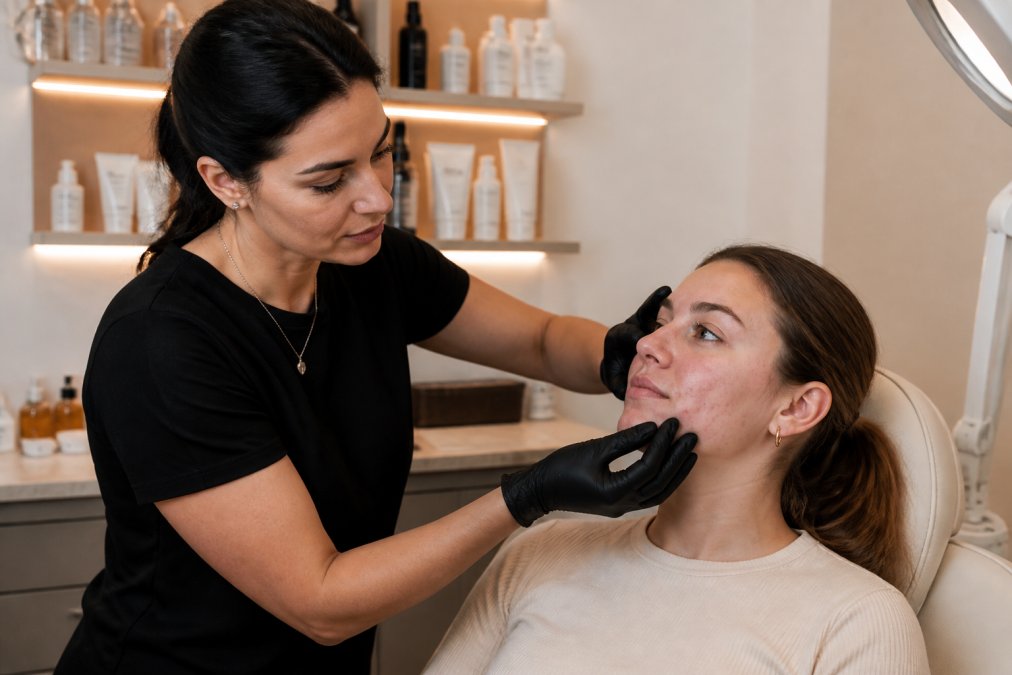
A professional esthetician can assess your specific acne type and recommend treatments tailored to your skin’s needs. Some teens benefit from professional extractions to clear congested pores safely, reducing the temptation to pick at skin at home. Deep cleansing facials remove oil and bacteria from within pores more thoroughly than at-home cleansing alone.
Consider scheduling a consultation if:
Professional treatments complement your at-home routine rather than replace it. The most effective approach combines professional treatments with a solid daily skincare routine and, when needed, prescription medications from a dermatologist.
Active breakouts need careful handling to prevent permanent scarring. Picking, squeezing, or aggressively treating acne can damage skin tissue, leading to pitted scars or dark marks that last months or years.
Don’t pick or squeeze. This is the hardest rule to follow but the most important. Picking introduces bacteria, increases inflammation, and can push bacteria deeper into the skin.
Use spot treatments strategically. If you must address a breakout immediately, apply a targeted benzoyl peroxide or salicylic acid treatment rather than attempting extraction.
Avoid harsh exfoliation. Scrubs, brushes, and aggressive exfoliants irritate acne-prone skin. Gentle chemical exfoliation with salicylic acid is safer.
Protect healing acne from sun exposure. UV rays darken acne marks, creating post-inflammatory hyperpigmentation. Daily sunscreen prevents this.
Address acne quickly. The longer acne persists, the higher the risk of scarring. If home treatments aren’t working after 8-12 weeks, seek professional help.
Treating teen acne effectively requires consistency, patience, and a multi-step approach. A daily routine combining gentle cleansing, targeted active ingredients, and proper hydration addresses the root causes of breakouts while supporting your skin barrier. Most teens see improvement within 8-12 weeks when they commit to a routine and avoid common mistakes like over-treating or picking at skin.
If at-home care isn’t delivering results, professional esthetician treatments can accelerate progress. At SI Glam Glow, our acne and teen facials are designed to work alongside your daily routine, providing deep cleansing, professional extractions, and personalized guidance based on your specific skin needs. We understand that acne affects more than just your skin, it impacts confidence and how you feel about yourself.
Ready to explore how professional treatments can support your acne journey? Learn more about our acne and teen facial options or reach out to schedule a consultation.
Benzoyl peroxide and salicylic acid are among the most widely used and effective over-the-counter options. Salicylic acid works as a comedolytic agent, helping to unclog pores and reduce whiteheads and blackheads. Benzoyl peroxide targets bacteria and inflammation. Retinoids support skin turnover and can help prevent future breakouts. Azelaic acid is another option that may help reduce inflammation and hyperpigmentation. Always patch test new ingredients first, and consider starting with lower concentrations to assess skin sensitivity.
Results vary depending on the severity of acne and the treatment approach. Most teens notice some improvement within 4 to 6 weeks of consistent daily skincare, though deeper papules and pustules may take 8 to 12 weeks to show significant change. Professional treatments like facials may show visible results after one or two sessions, but a series of treatments often produces better outcomes. Patience and consistency are key—stopping treatment early can undo progress.
Consider professional help if over-the-counter treatments haven't improved acne after 6 to 8 weeks, if breakouts are severe or causing scarring, if acne is affecting emotional well-being, or if you're unsure which ingredients are safe for your skin. A licensed esthetician can assess your skin, recommend professional treatments tailored to your concerns, and guide you on ingredient interactions. A dermatologist should evaluate acne if it's cystic, widespread, or if you suspect hormonal factors.
Yes. While acne is primarily driven by hormonal fluctuations, sebum production, and bacteria, lifestyle factors can influence breakout severity. Staying hydrated, getting adequate sleep, managing stress, and maintaining good hygiene all support skin health. Some teens find that reducing high-glycemic foods or dairy may help, though evidence varies by individual. Regular exercise improves circulation and can support skin barrier function. Avoiding touching your face and changing pillowcases frequently also help prevent bacterial transfer to acne-prone skin.
Book a personalized consultation at our Staten Island studio and get a skin plan built around your goals.
Book a Consultation