
Serving clients throughout Staten Island, Brooklyn & New York City
Last Updated: August 12, 2026
Dull skin is one of the most common concerns that brings clients through our door at SI Glam Glow, and it’s also one of the most misunderstood. Knowing how to fix dull skin starts with understanding what’s actually causing it, because the answer isn’t always what you’d expect. Below, we’ll walk through the root causes, what your skin is trying to tell you, and a practical plan for bringing back your glow, both at home and with professional support.
Dull skin is a condition in which the skin’s surface appears flat, lackluster, or uneven due to a combination of internal and external factors. Most people assume it’s simply about dryness or not drinking enough water, but the picture is more layered than that.
Healthy skin naturally sheds dead cells and replaces them with fresh ones through a process called cell turnover. When that process slows down, dead skin cells accumulate on the surface and create a rough, dull texture that reflects light unevenly. This is one of the primary reasons skin can look flat even when it’s well-moisturized.
Cell turnover naturally slows with age. Younger skin renews itself more quickly, which is why children tend to have that effortless glow. As we get older, that cycle lengthens, and without some help, pore buildup and uneven texture become more noticeable. Stress, poor sleep, and nutritional gaps can also slow the process further.
Hormonal shifts, whether tied to menstrual cycles, perimenopause, or other changes, can significantly affect skin radiance. Fluctuating estrogen levels, for example, are linked to reduced collagen production and decreased moisture retention, both of which contribute to a duller complexion.
Environmental pollution is another factor that doesn’t get enough attention. Airborne particles and toxins can settle on the skin and trigger oxidative stress, which damages the skin barrier and accelerates the breakdown of collagen. According to the American Academy of Dermatology’s guidance on environmental skin damage, protecting the skin barrier from pollution is an increasingly important part of a complete skincare routine. A compromised barrier leads to trans-epidermal water loss, inflammation, and a complexion that looks tired rather than radiant.
These two concerns are often confused, but they have different causes and call for different solutions.
Dehydrated skin lacks water. It may feel tight, look slightly sunken, or show fine lines that weren’t there before. The skin may still produce oil, but it’s low on moisture. Dehydration is a temporary condition that can usually be addressed with hydration-focused products and lifestyle adjustments.
Truly dull skin is more about surface texture, cell turnover, and overall skin health. It may not feel tight or uncomfortable at all, but it lacks brightness and clarity. Dull skin often has a grayish or uneven tone, and it doesn’t reflect light the way healthy skin does.
The simplest test: gently pinch a small area of skin on your cheek. If it takes a moment to snap back, dehydration is likely a factor. If your skin bounces back normally but still looks flat, the issue is more about cell turnover and surface buildup.
Both conditions can coexist, which is why a personalized approach matters. Addressing only one when both are present will give you partial results at best.
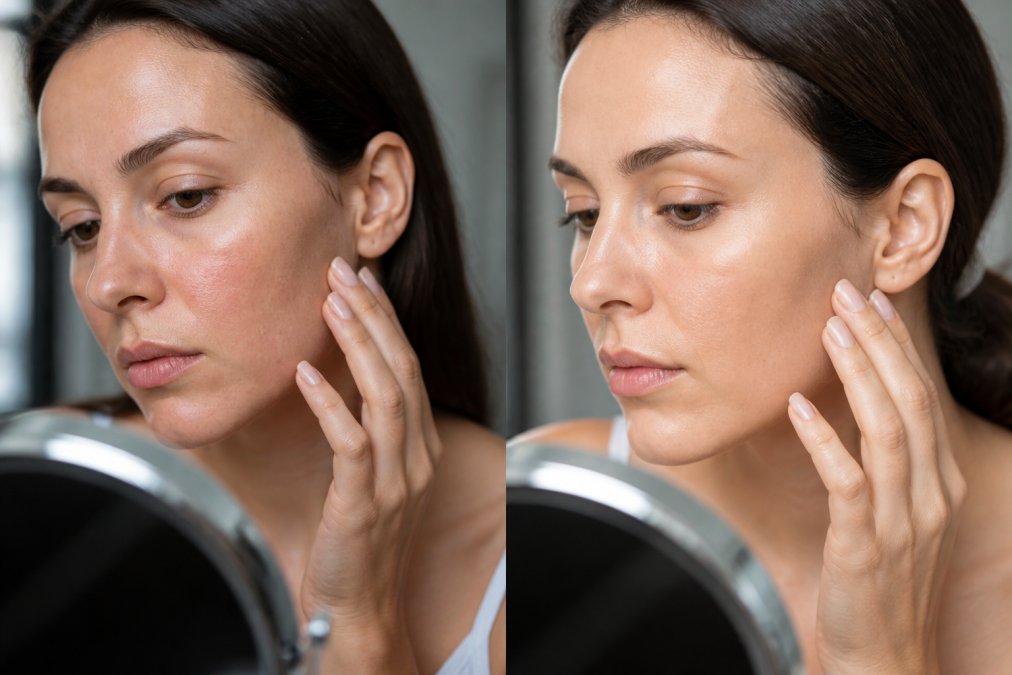
Knowing how to exfoliate safely is one of the most impactful things you can do to fix dull skin at home. Exfoliation removes the layer of dead skin cells that sits on top of the skin’s surface, allowing fresh, brighter skin to show through and helping your serums and moisturizers absorb more effectively.
The key word is safely. Over-exfoliating is a real and common mistake, and it can leave the skin barrier damaged, red, and more sensitive than before.
Physical exfoliation uses texture, such as a scrub, cleansing brush, or cloth, to manually buff away dead skin cells. It’s immediately satisfying, but it’s also easy to overdo. Scrubs with sharp or uneven particles can cause micro-tears in the skin, especially on sensitive or redness-prone complexions.
Chemical exfoliation uses acids or enzymes to dissolve the bonds between dead skin cells, allowing them to shed more naturally. Common options include:
For most people, chemical exfoliation one to three times per week is a reasonable starting point. Those with sensitive skin or rosacea should start even more gradually and pay close attention to how their skin responds. As the National Institutes of Health’s skincare research library notes, disruption of the skin barrier through aggressive exfoliation can worsen inflammation and sensitivity over time.
If you’re unsure which approach suits your skin, a consultation with a licensed esthetician can help you avoid the guesswork.
Vitamin C is one of the most well-researched ingredients for improving the appearance of dull, uneven skin. It works as an antioxidant, neutralizing free radicals caused by UV exposure and environmental pollution, both of which contribute to oxidative stress and a loss of radiance.
The benefits of vitamin C for skin include:
For best results, look for a stable vitamin C serum with a concentration between 10% and 20%. Apply it in the morning before sunscreen, since it works synergistically with SPF to support the skin’s defenses against UV-related dullness. L-ascorbic acid is the most studied form, though derivatives like ascorbyl glucoside tend to be gentler for sensitive skin types.
One thing most people get wrong: vitamin C is unstable and degrades quickly when exposed to air and light. Store your serum in a dark, cool place and replace it if it turns orange or brown, as oxidized vitamin C can actually have the opposite effect on your complexion.
A consistent routine is what separates temporary brightness from lasting improvement. To fix dull skin at home, you don’t need a 12-step regimen. You need the right steps, done consistently.
| Step | Product Type | Purpose |
|---|---|---|
| 1. Cleanse | Gentle, non-stripping cleanser | Remove overnight buildup without disrupting the skin barrier |
| 2. Tone (optional) | Hydrating toner or essence | Prep skin to absorb the next steps |
| 3. Vitamin C serum | Antioxidant serum | Brighten and protect against oxidative stress |
| 4. Moisturizer | Lightweight, hydrating formula | Support the skin barrier and lock in moisture |
| 5. Sunscreen | Broad-spectrum SPF 30 or higher | Prevent UV-related dullness and collagen breakdown |
SPF is non-negotiable if your goal is a brighter complexion. UV exposure is one of the leading causes of uneven skin tone, hyperpigmentation, and accelerated skin aging. Skipping it undoes much of what the rest of your routine is trying to accomplish.
The evening is when your skin does most of its repair work, so this is the time to support skin renewal rather than just protect.
This is the part most skincare guides gloss over, but lifestyle habits can undermine even the most thoughtful skincare routine.
Sleep is where skin repair actually happens. Chronic sleep deprivation increases cortisol levels, which can break down collagen and compromise the skin barrier. Most adults need seven to nine hours for meaningful skin recovery.
Diet plays a real role in complexion. A balanced diet rich in antioxidants, such as leafy greens, berries, and foods high in vitamins C and E, supports the skin from the inside. Diets high in refined sugar can trigger a process called glycation, which damages collagen and contributes to a duller, less firm appearance.
Hydration matters, though it’s not the whole story. Drinking enough water supports overall skin function, but it won’t reverse dullness caused by dead cell buildup or sun damage on its own.
Stress is a significant, often overlooked factor. Elevated cortisol can trigger inflammation, slow cell turnover, and disrupt the hormonal balance that affects skin radiance. Even basic stress management, like regular movement and adequate rest, can show up in your complexion over time.
Smoking and excessive alcohol consumption both accelerate oxidative stress and reduce circulation, which directly impacts how bright and healthy skin looks.
Home care takes you a long way, but professional treatments can address concerns that products alone can’t fully reach. The best professional facials for glowing skin go beyond surface cleansing. They combine exfoliation, hydration, and targeted treatment in a way that’s calibrated to your specific skin concerns.
At SI Glam Glow, every treatment begins with a skin assessment so the approach is tailored to what your skin actually needs, not a one-size-fits-all protocol.
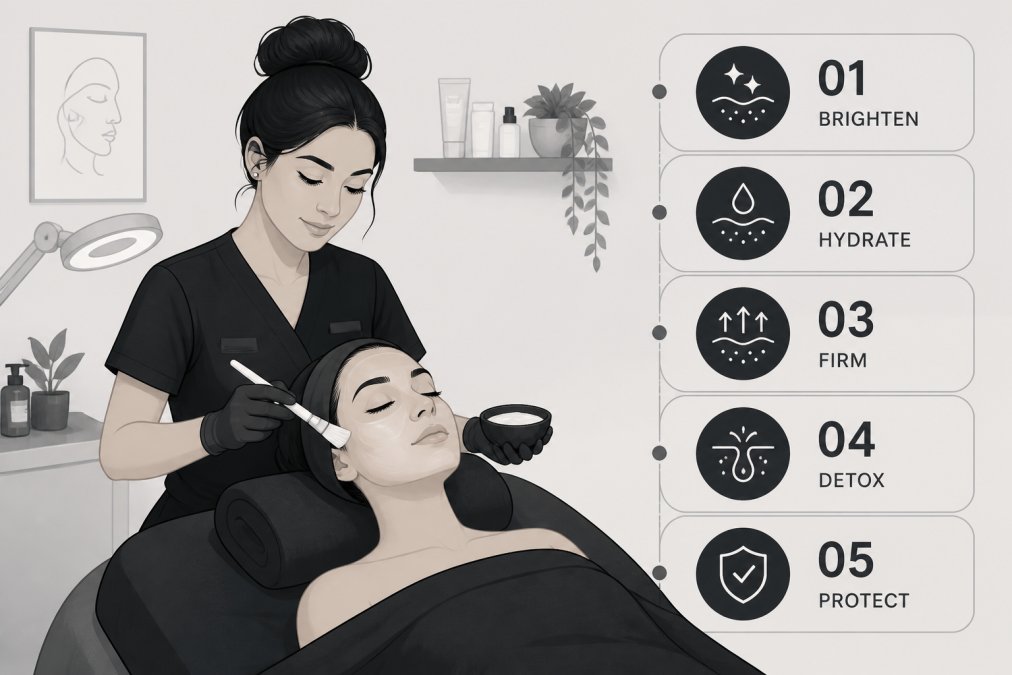
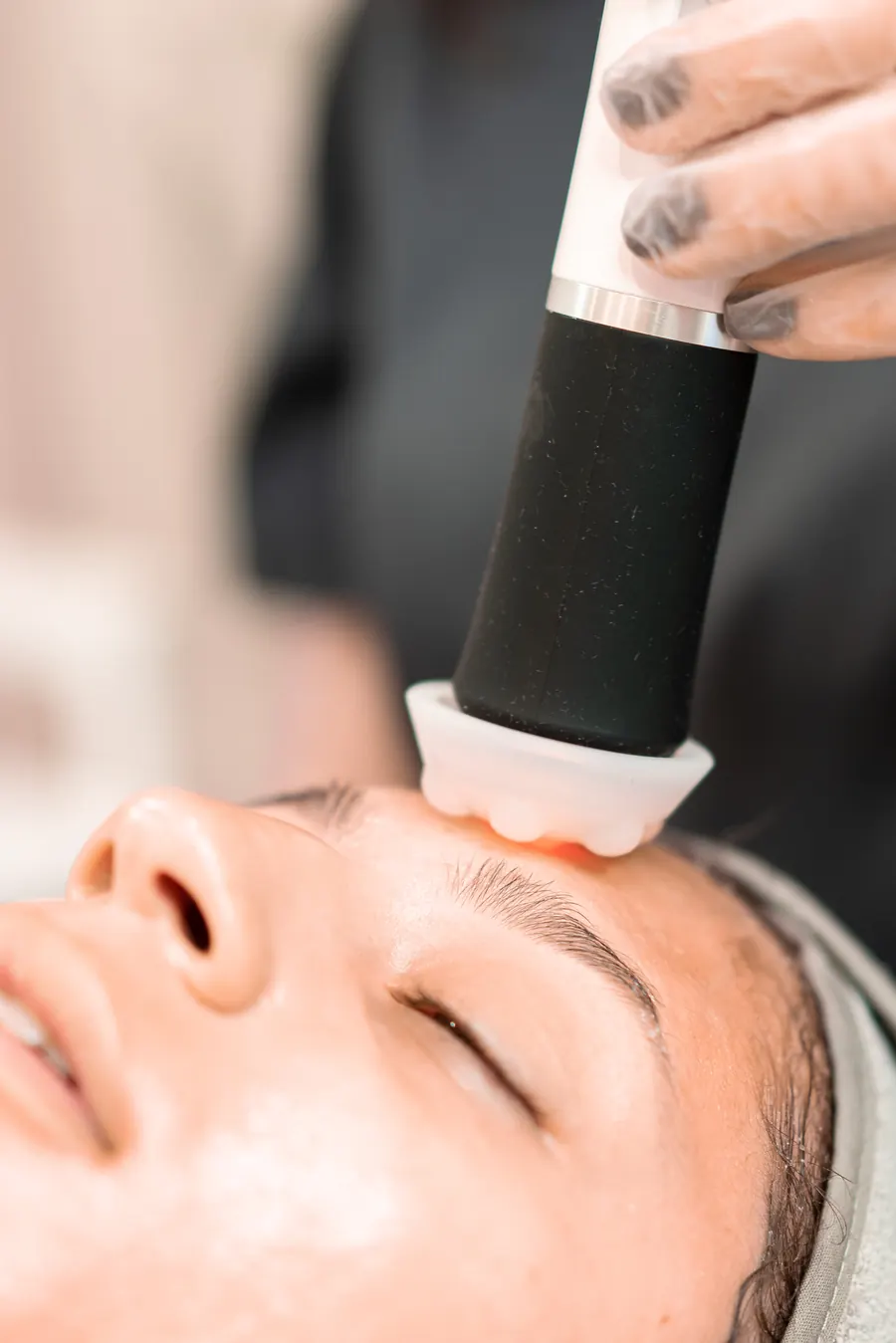
Microdermabrasion is a non-invasive treatment that uses fine crystals or a diamond-tipped handpiece to physically exfoliate the outermost layer of skin. It’s particularly effective for improving skin texture, reducing the appearance of fine lines, and brightening a dull complexion by removing the buildup of dead skin cells that home exfoliants can’t fully address.
Dermaplaning uses a sterile surgical blade to gently remove dead skin cells and vellus hair (peach fuzz) from the surface of the skin. The result is a noticeably smoother, brighter complexion. It also allows skincare products to absorb more deeply, making it a good option before other treatments. Most clients find it comfortable and appreciate the immediate improvement in skin texture with no downtime.
Both treatments support cell turnover and skin renewal, and they’re well-suited for clients dealing with persistent dullness, uneven texture, or a complexion that’s lost its brightness. You can learn more about the Dermaplaning Facial and Microdermabrasion Facial options available at SI Glam Glow.
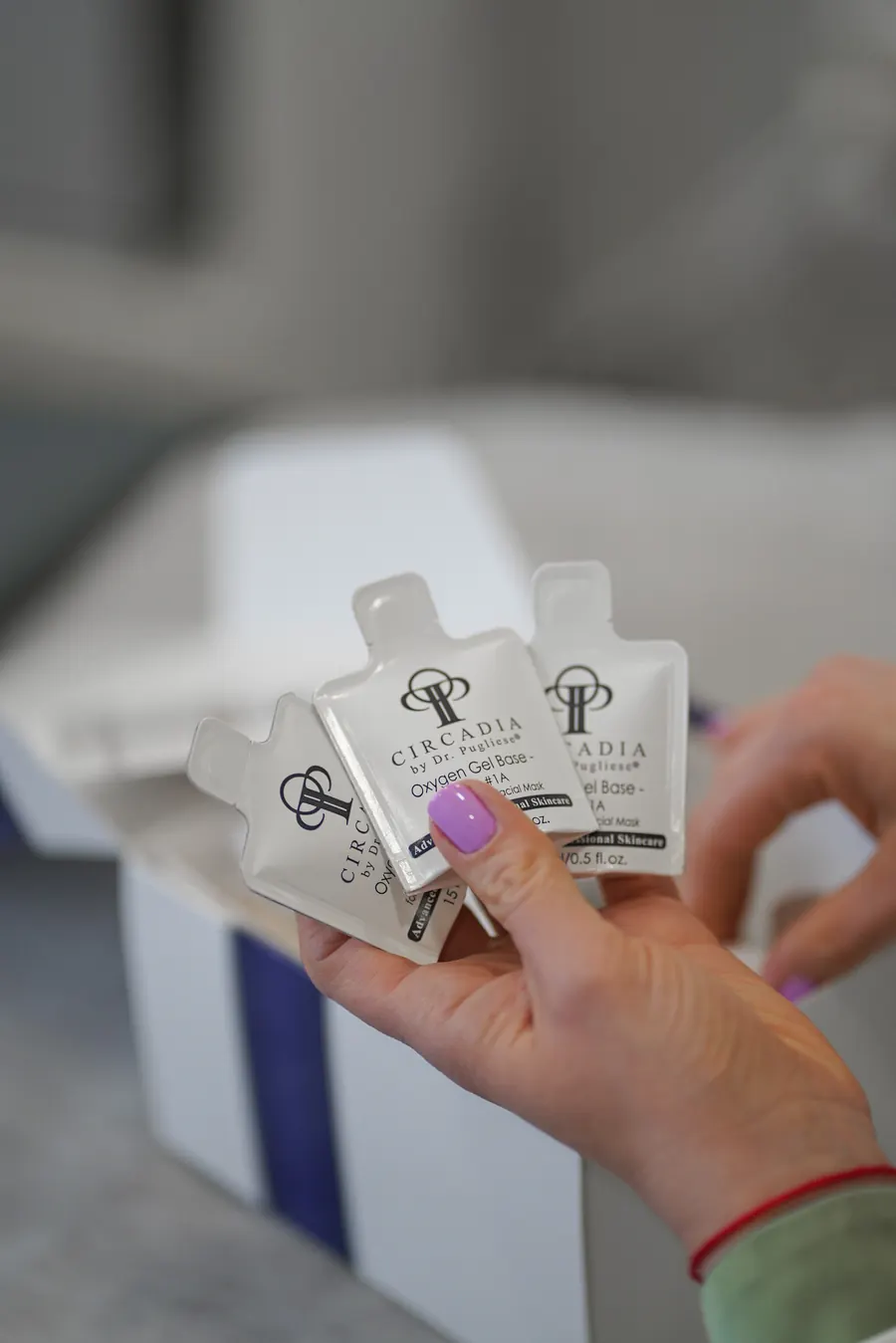
The Glo2Facial is a multi-step treatment that combines oxygenation, exfoliation, and infusion of targeted serums to rejuvenate the skin. It’s designed to support circulation, improve skin texture, and deliver active ingredients into the skin. Many clients notice an immediate improvement in radiance and hydration after a single session, and it’s a well-tolerated option for a range of skin types.
The HydroDerm Facial focuses on deep cleansing and intense hydration using a vortex-based system that simultaneously exfoliates, extracts impurities, and infuses the skin with hydrating and brightening ingredients. It’s particularly helpful for clients whose dullness is tied to congestion, dehydration, or a weakened skin barrier.
According to the American Society for Dermatologic Surgery’s overview of professional skin treatments, professional exfoliation and infusion treatments can meaningfully improve skin texture and radiance when performed consistently and as part of a broader skincare approach.
Both treatments are available with no significant downtime, which makes them practical options for busy clients who want visible results without recovery time.
Dull skin rarely has a single cause, and that’s exactly why a personalized approach makes such a difference. At SI Glam Glow, we take the time to understand your skin’s specific concerns before recommending any treatment, whether that’s a brightening Glo2Facial, a smoothing dermaplaning session, or a deeply hydrating HydroDerm facial. If you’re ready to see what your skin can look like with the right support, we’d love to help. Book your appointment and let’s put together a plan that works for you.
Dehydrated skin lacks water and often feels tight, looks slightly sunken, and may show fine lines that smooth out when you drink more water. Dull skin is broader, it can stem from dead skin cell buildup, slow cell turnover, poor sleep, or an impaired skin barrier. You can have both at once. A quick pinch test on your cheek can hint at dehydration: if the skin snaps back slowly, hydration may be low. A licensed esthetician can assess both concerns during a skin consultation.
Vitamin C is one of the most studied brightening ingredients, it supports collagen production and helps reduce the appearance of uneven skin tone. Hyaluronic acid draws moisture into the skin, which improves the look of radiance. Retinol speeds up cell turnover, gradually revealing fresher skin beneath. AHAs like glycolic acid gently exfoliate dead skin cells. Antioxidants in general help protect against oxidative stress that dulls the complexion over time. Results vary based on skin type and consistency of use.
For most skin types, one to three times per week is a reasonable starting point. Sensitive or redness-prone skin may do better with once-weekly exfoliation using a gentle chemical exfoliant like lactic acid. Over-exfoliating can weaken the skin barrier, cause inflammation, and actually make skin look worse. If you notice persistent redness, dryness, or increased sensitivity, scale back frequency. When in doubt, a professional esthetic assessment can help you find the right approach for your specific skin.
Yes, professional facials can address dull skin more directly than at-home products alone. Treatments like microdermabrasion physically remove dead skin cells, while options like the Glo2Facial and HydroDerm facial combine exfoliation, hydration, and oxygenation to support skin renewal. Dermaplaning removes surface buildup and fine vellus hair for a smoother, more reflective complexion. Results vary by individual, and a licensed esthetician can recommend the treatment best suited to your skin concerns and goals.
Book a personalized consultation at our Staten Island studio and get a skin plan built around your goals.
Book a Consultation