
Serving clients throughout Staten Island, Brooklyn & New York City
You’re walking into a private studio in Staten Island because your skin feels tired, a little rough, and not as even as you’d like. You may have heard the term Glo2Facial treatment and wondered if it’s just another trendy facial, or something more device-driven and targeted. In practice, it’s a professional, technology-based facial designed to work in layers, with a focus on how your skin looks and feels right after the appointment, and over the next few weeks.
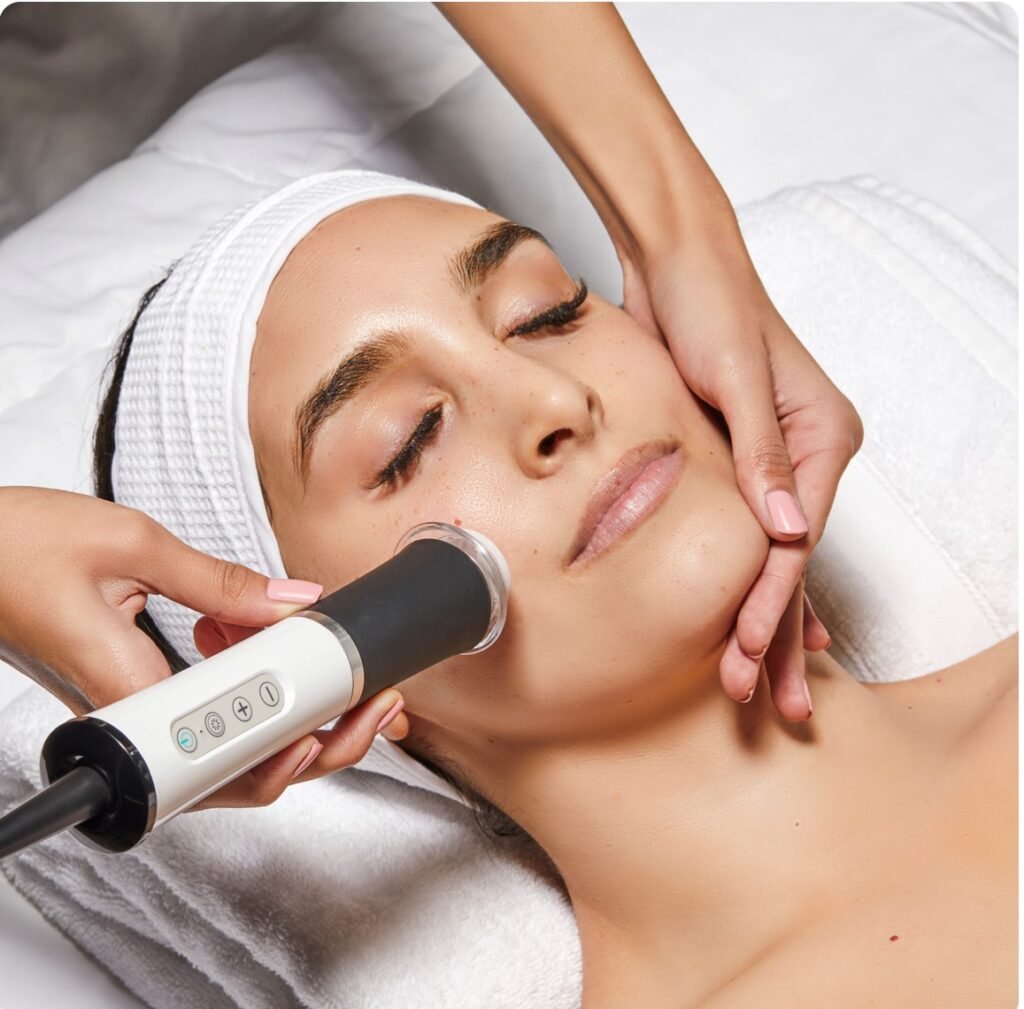
A client often notices the difference as soon as the service begins. The esthetician has already examined the skin, chosen the OxyPod that fits the concern, and paired it with the right primer gel before the device starts working on the surface.
A Glo2Facial treatment is a professional facial built around OxyGeneo technology, which exfoliates, oxygenates, and infuses the skin in one session. The treatment uses a device-led sequence rather than relying mainly on steaming, massage, and a single topical mask, so the service can be adjusted more precisely to the skin in front of the esthetician. For clients in Staten Island who want something more advanced without choosing a harsh or high-downtime option, that difference matters.
The process is easier to understand if you separate it into jobs. First, the device clears away the dull outer buildup that can make skin look flat or feel rough. Then it supports the skin’s oxygenation response and helps deliver serum ingredients more evenly across the surface. A manual facial can still feel soothing and beneficial, but this type of service adds a controlled technology step that changes how the treatment behaves on the skin.
The serum choice also changes the experience. Depending on the protocol, an esthetician may select an OxyPod meant for hydration, brightening, or refreshment, then match it with ingredients such as hyaluronic acid, peptides, or other skin-supporting actives. That lets the session address specific concerns instead of following one fixed formula. Someone with dryness may need a different approach than someone whose main issue is visible congestion or a lack of radiance.
For some clients, that makes the treatment feel more targeted from the start. A facial that uses a device can work like a guided routine, where each step has a purpose and the order of those steps matters. The result is still a relaxing appointment, but it is also a structured skin service rather than a general spa treatment.
In a one-on-one setting, customization is the advantage. An esthetician can look at whether your skin seems dull, rough, congested, dehydrated, or tired from stress and weather, then choose the protocol that fits that day’s condition. That is why this treatment sits alongside other professional facials instead of replacing them.
A private studio can also adjust the approach without making the appointment feel complicated. If your skin is sensitive, the protocol can stay gentler. If your main concern is uneven texture, the esthetician can place more emphasis on exfoliation and ingredient delivery. If you want a fresher look before an event, the treatment can be shaped around that goal while still respecting how your skin responds in the moment.
Practical rule: if your skin changes with stress, weather, or product use, a customizable facial usually makes more sense than a rigid routine.
A Glo2Facial session makes the most sense when you follow the order of the steps. The device is not doing several unrelated things at once. It moves through a set sequence that clears the surface, helps active ingredients reach the skin, and finishes with a fresher-looking finish.
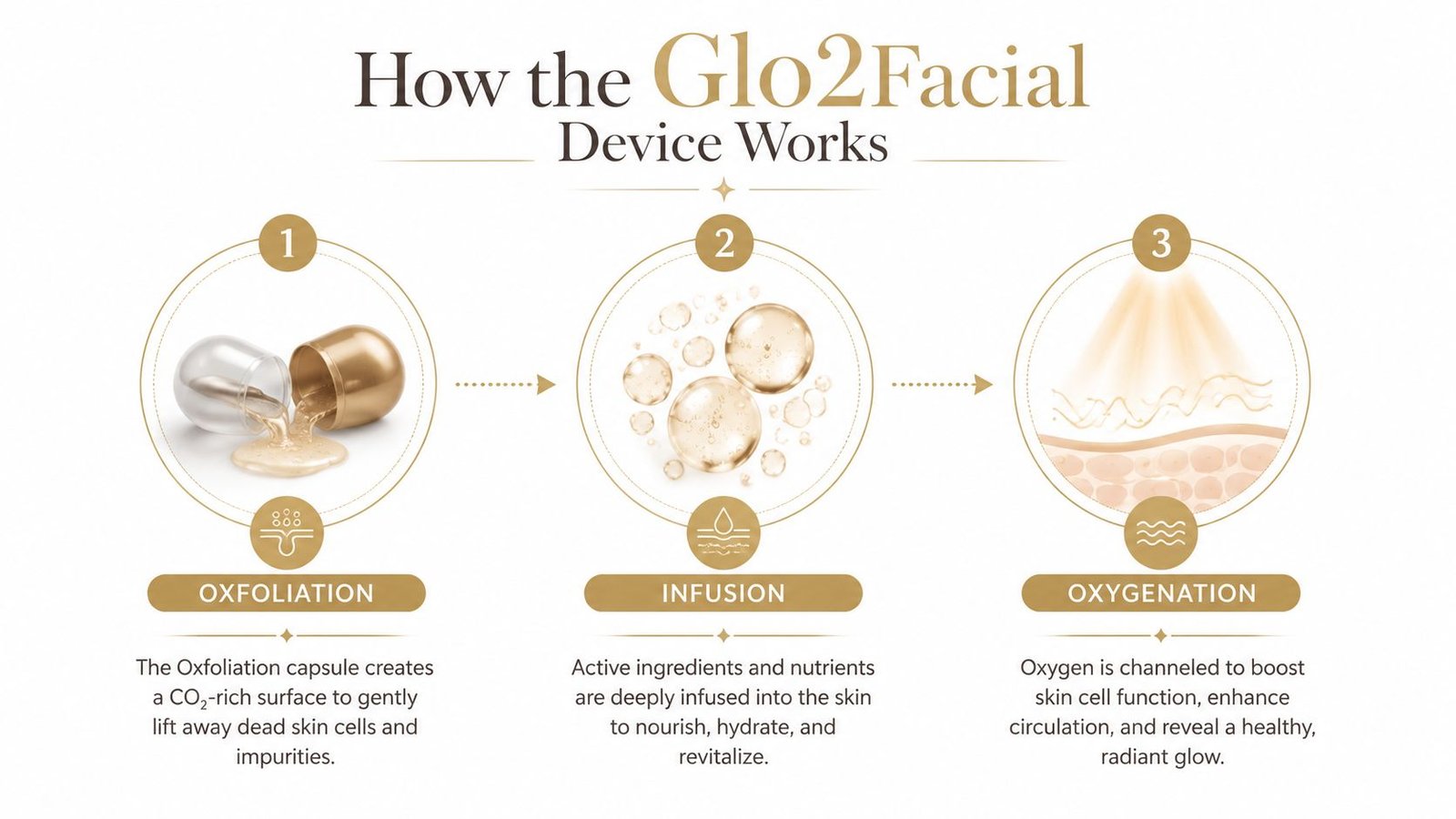
The first phase is Oxfoliation™. The system pairs an OxyPod with primer gel to create a CO2-rich surface environment while gently exfoliating the outer layer of the skin. The brand describes this as helping trigger the body’s oxygenation response through the Bohr effect, while also lifting away dead skin cells that can make skin look dull or feel rough (Glo2Facial’s treatment overview).
A clearer way to picture it is a skin reset at the surface. The upper layer gets softened and lifted away, so the next step does not have to work through a buildup of dead cells first.
After exfoliation, the Geneo X platform brings in 1 MHz ultrasound and 6 W radio frequency (provider specifications). Ultrasound creates micro-vibrations that support serum infusion, while radio frequency adds a gentle warming element to the tissue. One part helps ingredients move more efficiently, and the other part supports a firmer-looking finish without relying on harsh abrasion.
Useful distinction: the device is not depending on friction or aggressive scraping. It works through heat, vibration, and a surface reaction that supports the rest of the protocol.
That combination matters because it addresses two common limits at the same time. Dead surface cells can make skin look flat and get in the way of product delivery, while weak infusion can leave skin looking undernourished. A Glo2Facial treatment is designed to work through both issues in one noninvasive protocol, which is why it appeals to people who want visible radiance without a recovery-heavy service.
The brand also reports a compact device size of 16″ H x 20.1″ W x 8.8″ D and a weight of 21 lb, which helps explain why it fits well in a private treatment room. A full visual breakdown of the sequence is also shown in A three-step infographic explaining how the Glo2Facial treatment works through oxfoliation, infusion, and skin oxygenation processes.
The most useful way to understand this facial is by looking at the skin concern first. If skin looks tired, uneven, or a little congested, the treatment is designed to support those visible issues without feeling overly aggressive.
Clients often book this service when their skin looks flat or feels a little rough to the touch. The exfoliation phase may help soften the look of rough texture, while the infusion step supports a fresher, more energized appearance. That matters because a facial like this is not only about adding surface shine, it is also about helping the skin look smoother and more even overall.
The brand’s clinical summary links the treatment with several visible changes. It reports improved skin glossiness in 67% of patients, reduced fine lines in 87%, and smaller-looking pores in 67%. The same summary also notes reduced wrinkle depth of up to 112 microns and periorbital fine lines reduced by up to 71%.
Dry skin and congestion often show up together. When that happens, the face can look uneven and feel less comfortable, since buildup on the surface can make hydration look patchy instead of balanced. A protocol that combines exfoliation and infusion is meant to clear away what is sitting on top while helping active ingredients reach the skin more evenly.
For readers who want a closer look at pore care, the guide on how to treat clogged pores is a useful companion. It helps explain why congestion can make skin look dull even when the issue is partly from buildup rather than obvious breakouts.
The brand’s clinical summary also reports that 58% of patients saw improved pigmentation and 67% observed smaller-looking pores. Those findings help explain why this treatment is often discussed as a multi-outcome facial instead of a single-purpose service.
The treatment can also suit people who want a gentler path to skin refinement. Because the process is described as noninvasive and gentle, it may appeal to clients who do not want the stronger feel of a more abrasive facial. That said, persistent breakouts, irritation, or redness that does not settle should be evaluated by a dermatologist or healthcare provider.
Remember this: a licensed esthetician can support the appearance and comfort of your skin, while ongoing medical concerns need a medical evaluation.
A first-time appointment usually starts with a short conversation about what’s been changing in your skin lately. Your esthetician looks at texture, hydration, congestion, and sensitivity before choosing the protocol. That early read matters, because the treatment only feels comfortable when the selection matches the skin in front of you.
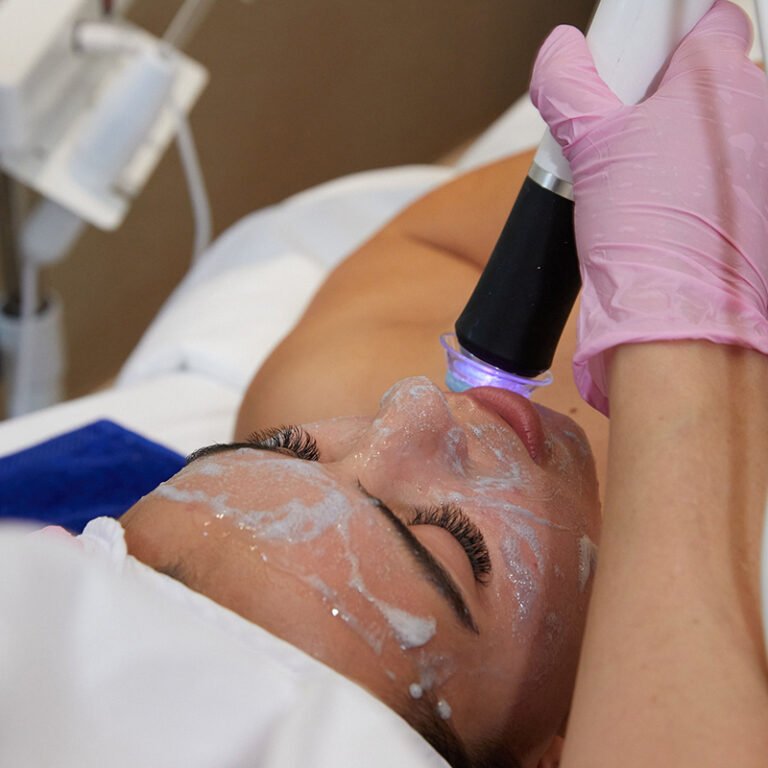
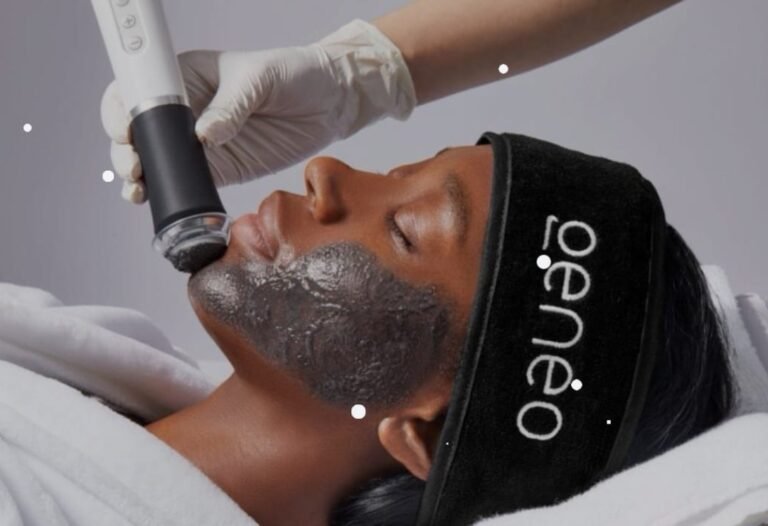
After cleansing, the Oxfoliation step begins. Most clients describe it as more unusual than uncomfortable, because the treatment is designed to feel gentle rather than abrasive. You may notice mild warmth, soft suction-like movement from the device head, and a fresh, cleaned-up feeling as the skin is prepared for infusion.
Next comes the ultrasound and RF portion. Serum delivery becomes a bigger part of the experience, and the skin often feels warm, calm, and well-supported rather than stripped. The esthetician is watching for redness, sensitivity, and how your skin responds to heat, then adjusting pressure and product choice as needed.
A soothing massage element may follow, along with a finishing mask or protective products suited to your skin type. In a private studio, this part often feels especially personal, because the last step isn’t generic. It’s chosen to help your skin settle and look polished when you leave.
Your skin may look refreshed immediately, but keeping it happy after the appointment is the priority. Gentle products, daily sun protection, and avoiding harsh exfoliation or strong actives for a day or two are the usual aftercare basics. If you’re in Staten Island and tend to book facials around work, social plans, or travel into Brooklyn or New York City, this is one reason clients like the little to no downtime format.
Some clients compare this treatment with other device facials because the end goal sounds similar. The differences show up in the way each system works on the skin, how the session feels, and the kind of response your skin is most likely to give.
Glo2Facial starts with a CO2-based surface reaction through Oxfoliation, then adds ultrasound and radio frequency to support infusion and a gentle warming effect. HydraFacial relies on a vortex-style suction system for cleansing and infusion. DiamondGlow uses a diamond-tip wand for physical exfoliation while SkinMedica serums are infused into the skin. These treatments can all be part of a glow-focused routine, yet the way they meet the skin is different, so the sensation is different too.
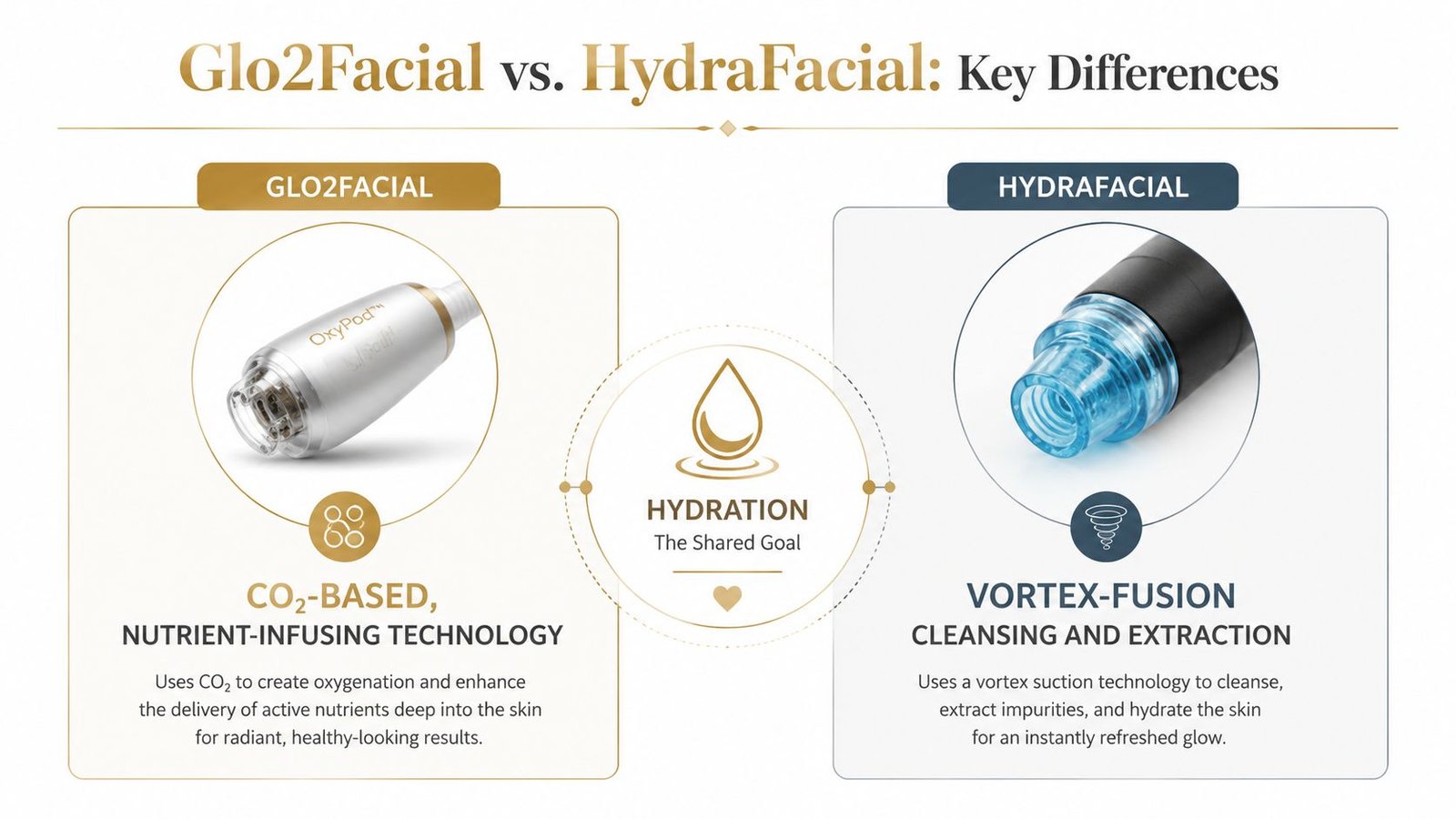
If suction-based cleansing sounds familiar, HydraFacial may be the comparison that feels easiest to picture. If physical exfoliation is the part you care about most, DiamondGlow may be the closer reference point. If you want a protocol built around oxygenation, surface renewal, and infusion in one sequence, Glo2Facial may suit that preference better.
Skin history still matters most. A client with dryness may need a different texture approach than someone dealing with congestion, and a private consultation should sort that out before anyone books based on trend alone. For a related comparison, see whether oxygen facial benefits differ from HydraFacial.
The right facial isn’t the one with the most buzz, it’s the one your skin can tolerate and benefit from.
Customization is where this treatment becomes practical instead of just technical. At a private Staten Island studio, the esthetician can select the OxyPod and protocol based on what your skin is doing now, not what it looked like last month.
Feature-specific options such as balance, detox, glam, hydrate, illuminate, and revive give the treatment room flexibility. One client may need more focus on dullness and dehydration, while another may want a routine that supports smoother-looking texture and a more even finish. The structure matters because it lets the esthetician tailor the sequence instead of running the same facial every time.
A representative example is a client in her 50s who wants softer texture and less reliance on makeup. In that case, the protocol might lean toward a more polishing, glow-supportive approach, with enough comfort built in that the skin still looks natural afterward. A younger client with congestion and uneven tone may get a different blend, one that feels fresher and more clearing without crossing into over-exfoliation.
A private room gives the esthetician time to look at lifestyle factors, product habits, and how your skin behaves between visits. That’s especially useful for clients comparing this facial with other services on a menu, whether they’re looking at a standalone treatment or browsing the broader SI Glam Glow services lineup. Personalization isn’t a luxury add-on here, it’s the standard way to keep the treatment aligned with your goals.
The brand also reports that treatments typically last about 4 to 6 weeks and are often repeated every 3 to 6 weeks, so the protocol is usually thought of as maintenance rather than a one-time fix (FAQ guidance). That’s useful if you want skin that stays polished between special events and everyday life.
If you’re in Staten Island and want a calm, customized facial that’s built around your skin instead of a template, SI Glam Glow offers one-on-one esthetics in a private setting with treatment planning, aftercare, and follow-up guidance. Visit SI Glam Glow to book a consultation and see whether this approach fits your skin goals.
Book a personalized consultation at our Staten Island studio and get a skin plan built around your goals.
Book a Consultation