
Serving clients throughout Staten Island, Brooklyn & New York City
Last Updated: September 2, 2026
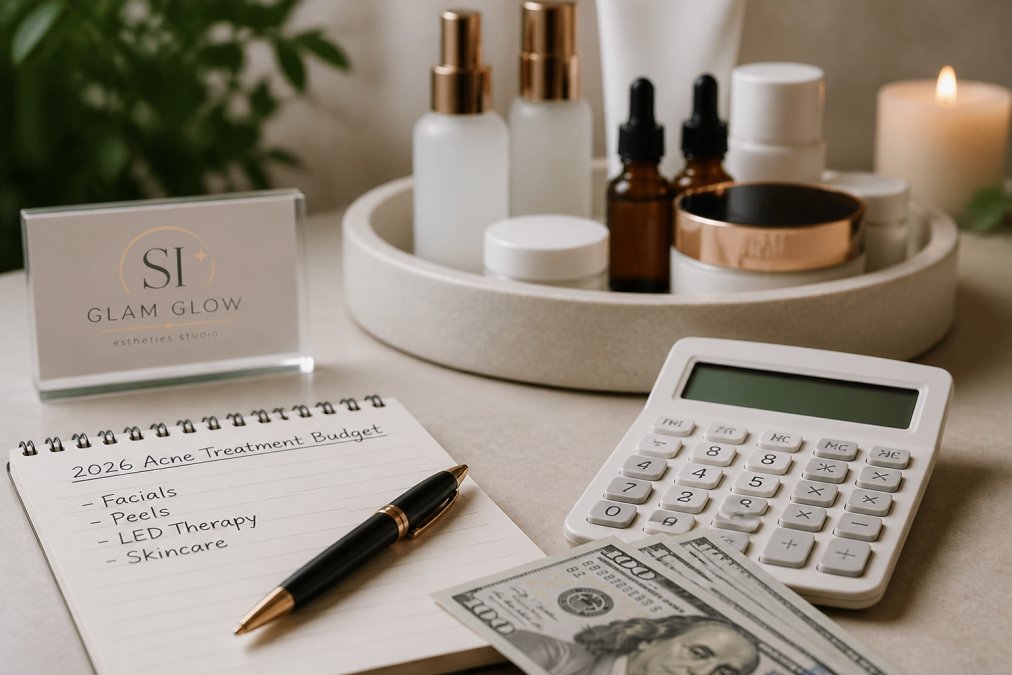
When you’re ready to tackle acne with professional help, understanding the cost is essential. Professional acne treatment pricing varies widely depending on the treatment type, your acne severity, and how many sessions you’ll need. Knowing what influences pricing helps you make a decision that fits both your skin and your budget.
At SI Glam Glow, we work with clients who’ve spent years on over-the-counter products without results. They often wonder whether professional treatment is worth the investment. This guide breaks down the actual costs of professional acne treatments, what factors drive pricing, and how to plan realistically.
Professional acne treatment cost depends on several key factors.
Treatment type is the biggest variable. A clinical-grade facial may differ in cost from more intensive treatments because the equipment, expertise, and time required differ significantly. A simple extraction facial takes 30-45 minutes, while other treatments may require specialized certification and equipment.
Acne severity matters too. Mild, surface-level acne might respond to a few facials and topical care. Moderate to severe acne, or acne with scarring, typically requires multiple sessions and often combines several treatment approaches.
Geographic location affects pricing. Urban areas and regions with higher costs of living generally charge more than smaller cities.
Provider credentials and experience influence cost. A licensed esthetician charges differently than a dermatologist. A studio specializing in acne treatment typically charges differently than a general spa offering basic facials.
Session frequency and total commitment shape your overall cost. Some treatments require weekly visits for 6-8 weeks; others are spaced monthly.
Aftercare products add to the total investment. Professional treatments often require specific clinical-grade skincare at home to support results.
Different professional treatments target acne in different ways.
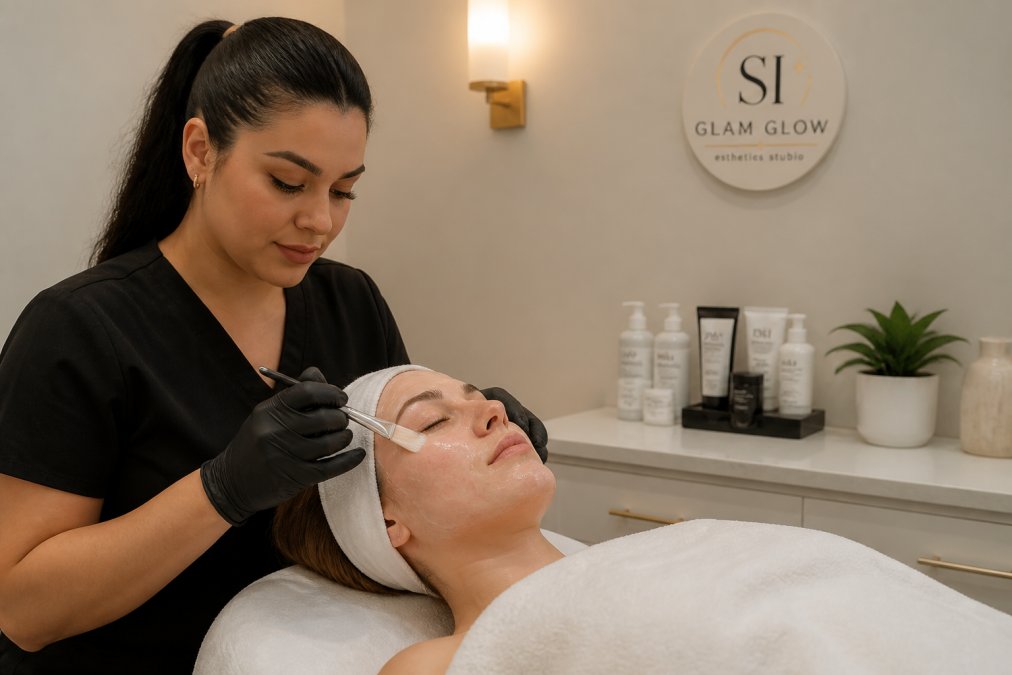
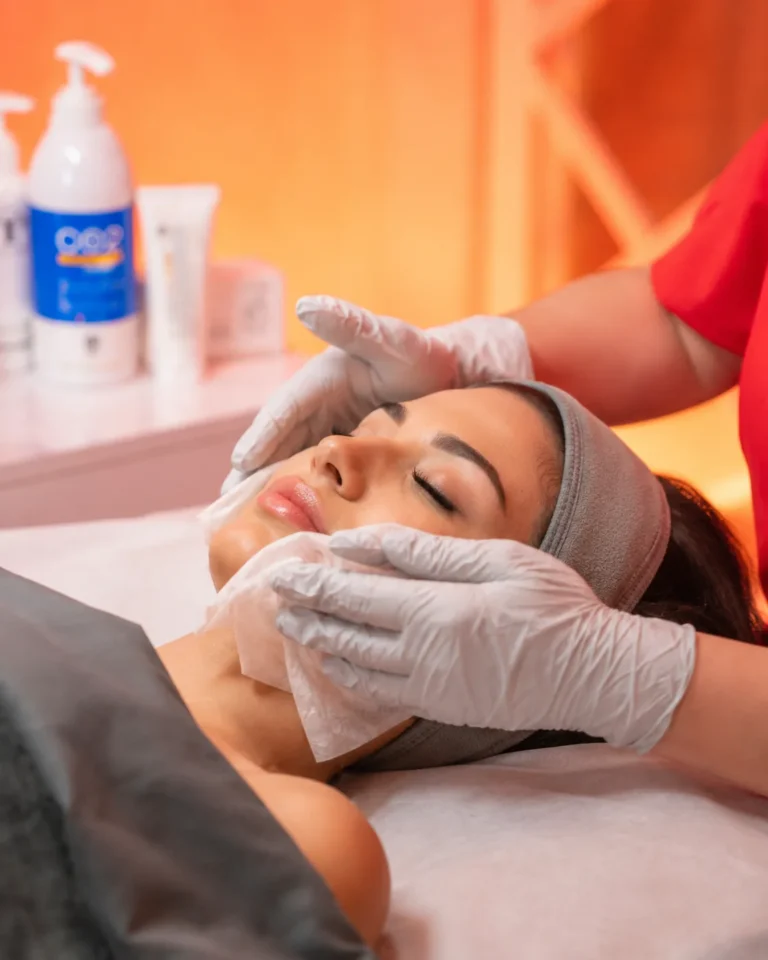
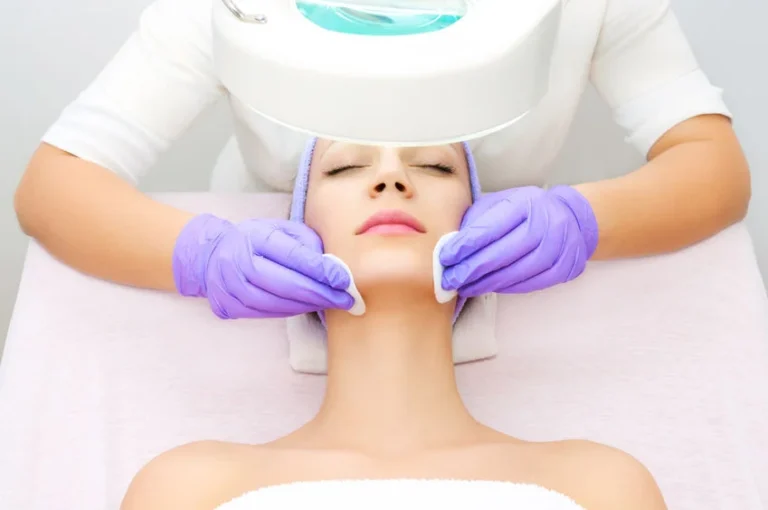
A clinical-grade facial for acne goes deeper than what you can do at home. The esthetician uses professional-strength exfoliants, extractions performed with proper technique, and specialized products designed to reduce bacteria and inflammation.
These facials typically last 45-60 minutes and may include chemical exfoliation, manual extractions, high-frequency technology, or gentle microdermabrasion. SI Glam Glow offers customized acne facials tailored to your skin’s specific needs and sensitivity level.
Chemical peels use acids to dissolve the outer layer of skin, promoting cell turnover and revealing clearer skin underneath. They’re effective for active acne and for improving the appearance of post-acne marks.
BioRePeel is a gentler option that combines multiple acids without harsh downtime. The treatment takes 20-30 minutes. A series of peels spaced 2-4 weeks apart typically produces the best results. BioRePeel addresses both active breakouts and the marks they leave behind.
Microneedling creates controlled micro-injuries to stimulate collagen production, working well for acne scarring and skin texture. It causes temporary redness and mild flaking with minimal downtime.
Laser skin resurfacing is more aggressive and addresses deeper scarring. It requires more downtime (3-7 days of visible healing) but produces more dramatic results in fewer sessions. Both approaches typically require multiple sessions spaced 4-6 weeks apart.
Many people combine prescription medications with professional treatments for the best results. Prescription retinoids work at the cellular level to prevent new breakouts while professional treatments address existing acne and scars. Your dermatologist and esthetician can coordinate to ensure treatments complement each other.
There’s no one-size-fits-all acne treatment plan. During a consultation, an esthetician evaluates your acne type, severity, skin sensitivity, and scarring to recommend a realistic timeline and frequency.
Someone with mild comedonal acne might need monthly clinical-grade facials. Someone with moderate inflammatory acne might need weekly treatments for 6-8 weeks, then monthly maintenance. Someone with cystic acne and significant scarring might combine multiple treatment types over several months.
Most people may see noticeable improvement within 4-8 weeks of consistent treatment. Full results, especially for scarring, can take 3-6 months as your skin rebuilds collagen.
Once you’ve cleared your acne with professional treatment, maintenance is essential. Without ongoing care, acne often returns.
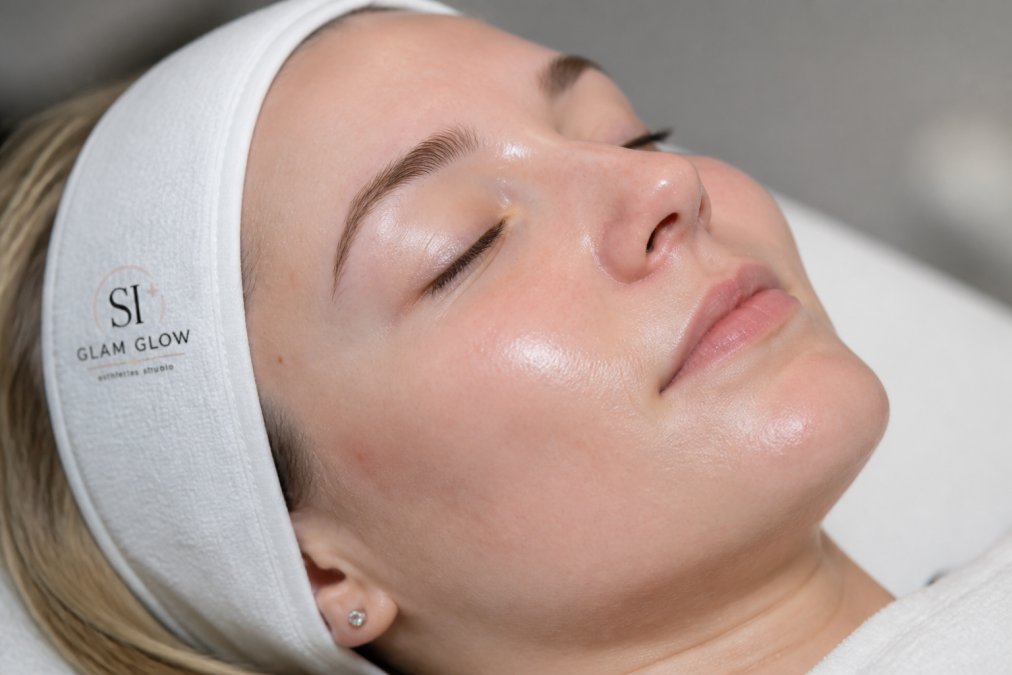
People prone to breakouts typically need monthly facials or peels to keep acne controlled. Between professional visits, consistent at-home skincare matters. Clinical-grade products are formulated to work with your skin at a level that over-the-counter products can’t match.
Your esthetician can recommend a realistic maintenance schedule based on how your skin responds to initial treatment.
Most cosmetic acne treatments aren’t covered by insurance because they’re classified as elective. However, understanding where your treatment falls can be helpful.
If a dermatologist prescribes professional treatment for medical reasons, severe cystic acne causing permanent scarring, for example, some insurance plans may cover part of the cost. The key is that a physician must document medical necessity. Coverage varies widely by plan, so contact your insurer directly with your diagnosis code and proposed treatment before scheduling.
Laser treatments and microneedling for acne scarring may have a higher likelihood of insurance coverage when medically prescribed, since they address functional skin damage. Chemical peels and clinical-grade facials are rarely covered.
Health Savings Accounts (HSAs) and Flexible Spending Accounts (FSAs) offer a way to pay for certain acne treatments with pre-tax dollars, which may reduce your out-of-pocket cost.
Treatments that typically qualify for HSA/FSA:
Treatments that typically do NOT qualify:
The critical difference is the prescription. If a dermatologist writes a prescription or medical order for the treatment, your HSA/FSA administrator is more likely to approve it.
Many professional esthetics studios offer financing options that make treatment more accessible.
Package pricing: Buying a series of treatments upfront typically costs less per session than paying per visit.
Monthly membership plans: Some studios offer membership programs where you pay a flat monthly fee for one or more treatments per month.
Medical credit cards: Cards like CareCredit allow you to spread treatment costs over time, often with promotional 0% interest periods. Read the terms carefully, interest rates are high if you don’t pay within the promotional period.
Direct payment plans: Some studios offer in-house payment plans, allowing you to split costs over several months without credit card interest.
The most affordable approach for many people is combining a package discount for your initial treatment series with a monthly membership for ongoing maintenance.
Professional acne treatment cost extends beyond the treatment itself. Post-procedure care and recovery expenses often surprise people.
After chemical peels or microneedling, your skin needs specific products to heal properly. Medical-grade moisturizers, healing serums, and mineral sunscreen designed for post-procedure skin are essential for 2-4 weeks after treatment.
Some treatments cause temporary peeling, redness, or sensitivity. Laser treatments in particular may require 3-7 days of visible healing, during which most people stay home.
Sunscreen becomes non-negotiable after professional treatments. Your skin is more vulnerable to sun damage during healing. Using a high-quality, professional-grade mineral sunscreen daily is essential.
Many people hesitate about professional acne treatment because they’ve already spent money on over-the-counter products. It’s worth thinking about the real financial and health cost of waiting.
Over-the-counter acne products typically vary in cost per item. Most people don’t find a working routine on the first try. A typical journey involves cycling through several different routines before finding something that helps. Even when over-the-counter products do help, they typically manage acne rather than resolve it. You’re on a maintenance treadmill indefinitely, buying products month after month to prevent breakouts from returning.
Professional treatment costs more upfront but produces results in a defined timeframe. Someone investing in a series of professional facials over 8 weeks typically sees dramatic improvement in active acne. Professional treatments may work faster because they use higher concentrations of active ingredients, specialized equipment, and techniques that over-the-counter products can’t replicate.
Once your acne clears, you transition to maintenance, typically monthly or quarterly professional visits plus consistent at-home care. This may be less than the constant trial-and-error cycle of over-the-counter shopping.
Over-the-counter products cannot prevent or improve acne scarring. Only professional treatments can. If you have moderate to severe inflammatory acne, the risk of permanent scarring increases with every month of inadequate treatment. Scars are permanent damage to collagen and skin structure. Once they form, they require professional intervention, chemical peels, microneedling, or laser treatment, to improve their appearance. These treatments may be more expensive and time-consuming than preventing the scars in the first place.
The prevention benefit is enormous. If you’re dealing with moderate to severe acne, waiting and hoping over-the-counter products work is actually the more expensive choice when you factor in future scar treatment.
If you have mild acne that over-the-counter products manage reasonably well, and you’re not developing scars, you may not need professional help.
However, if any of these apply, professional treatment is worth the investment:
In these cases, professional treatment is often the most cost-effective path to clear skin and preventing permanent damage.
Both over-the-counter and professional approaches require ongoing investment. The difference is what you’re paying for. With over-the-counter, you’re paying to manage acne indefinitely. With professional treatment followed by maintenance, you’re paying to keep skin clear after resolving the underlying problem. Most people find the maintenance phase less expensive and more effective than the constant search for the right over-the-counter products.
When you factor in time, frustration, and the risk of permanent scarring, professional treatment often represents better value than it appears at first glance.
If you’re ready to explore professional acne treatment options tailored to your skin, we’d welcome the opportunity to discuss what might work best for you. Reach out to SI Glam Glow to learn more about our acne treatment services in Staten Island.
Several factors affect pricing: acne severity and extent, treatment type (facials, chemical peels, laser, or microneedling), provider experience and credentials, geographic location, and whether you need scar revision. A consultation with a licensed esthetician helps determine which treatments suit your skin and budget.
Professional skincare maintenance frequency depends on your acne severity and treatment type. Clinical-grade facials often work best as a series. After that, most clients may benefit from monthly or quarterly maintenance sessions to prevent breakouts and maintain skin clarity. Your esthetician will recommend a customized acne treatment plan based on your skin’s response.
Most insurance plans classify acne treatments as cosmetic and do not cover them. However, if acne is severe enough to impact your mental health or function, some plans may offer partial coverage. Prescription medications like isotretinoin or topical retinoids may be covered if prescribed by a dermatologist. Check with your insurer about HSA or FSA eligibility—many professional skincare treatments qualify for tax-advantaged account reimbursement.
Esthetician-led treatments (facials, chemical peels, microneedling) typically vary in cost per session compared to dermatology procedures but may require more frequent maintenance. Dermatologists can prescribe medications like adapalene or isotretinoin, which may have lower out-of-pocket costs if covered by insurance. A customized acne treatment plan often combines both: professional skincare procedures from an esthetician with prescription support from a dermatologist for best results and cost-effectiveness.
Book a personalized consultation at our Staten Island studio and get a skin plan built around your goals.
Book a Consultation