
Serving clients throughout Staten Island, Brooklyn & New York City
Last Updated: October 1, 2026
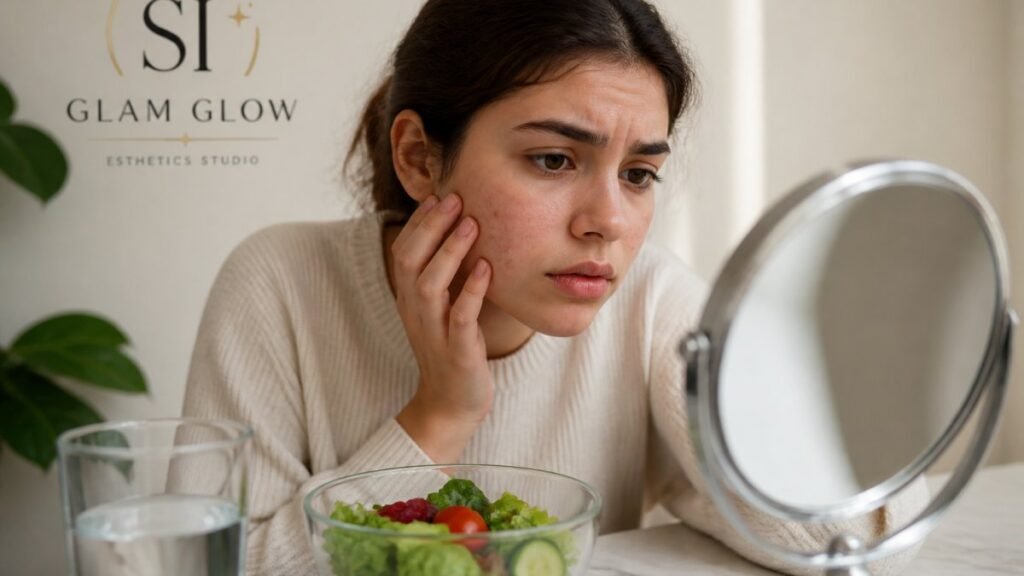
Does diet have an effect on acne outbreaks in teenagers? In many cases the answer is yes, but not in the straightforward manner that people think. It is just one element of a more comprehensive situation that also involves hormones, genetics, and the way you look after your skin. At SI Glam Glow we see teenagers and their parents every week who are looking for clear answers regarding the actual effects that different foods have on the skin.
The truth is that no one food by itself causes acne. However, some eating patterns can affect the things that contribute to breakouts, such as inflammation, sebum production, and fluctuations in blood sugar. By understanding these patterns you can make better choices without having to eliminate every food you enjoy.
The following explanation outlines what the research indicates, what is considered to be myth, and how a skincare routine for acne in teenagers together with professional acne facials can help to improve the appearance of the skin.
The connection between diet and acne has been the subject of study for many years, with people’s views on the matter changing over that time. At the present day, a large number of dermatologists and researchers believe that diet can have a supportive effect on acne in teenagers, in particular with regard to high glycemic foods and dairy.
The majority of guides fail to realise that “diet causes acne” and “diet affects acne” are two different statements, the second of which is much more accurate; food by itself does not cause acne but can affect the conditions that make breakouts more likely.
A few key points researchers generally agree on:
High glycemic foods are foods that raise blood sugar quickly. Think white bread, sugary cereals, soda, candy, and many packaged snacks. When blood sugar spikes, the body releases insulin, and higher insulin levels may push sebum production into overdrive.
That extra oil can mix with dead skin cells and clog pores.
Dairy is one of the most frequently discussed breakthrough triggers, and this is for a valid reason since some research indicates that certain dairy products, especially skim milk, might be associated with a greater frequency of flare-ups in teenagers.
Chocolate does not directly cause acne, and neither does a slice of pizza. This is one of the biggest myths parents and teens still hear.
Pores become blocked due to a combination of sebum, dead skin cells, and bacteria; this process is primarily caused by hormones and not by food. In adolescence the fluctuations in hormones increase sebum production, which is the reason why skin during teenage years is so susceptible to breakouts.
Things that genuinely contribute to clogged pores include:
A teen facial is one of the most effective methods for controlling breakouts since the aim is simply to keep the pores clear, reduce inflammation and help support the skin barrier.
A few things to keep in mind:
The relationship between the digestive system and the skin is known as the gut-skin axis. Although it is a relatively new area of research, scientists are focusing on how the microbiome of the skin and the bacteria in the gut affect inflammation in the body.
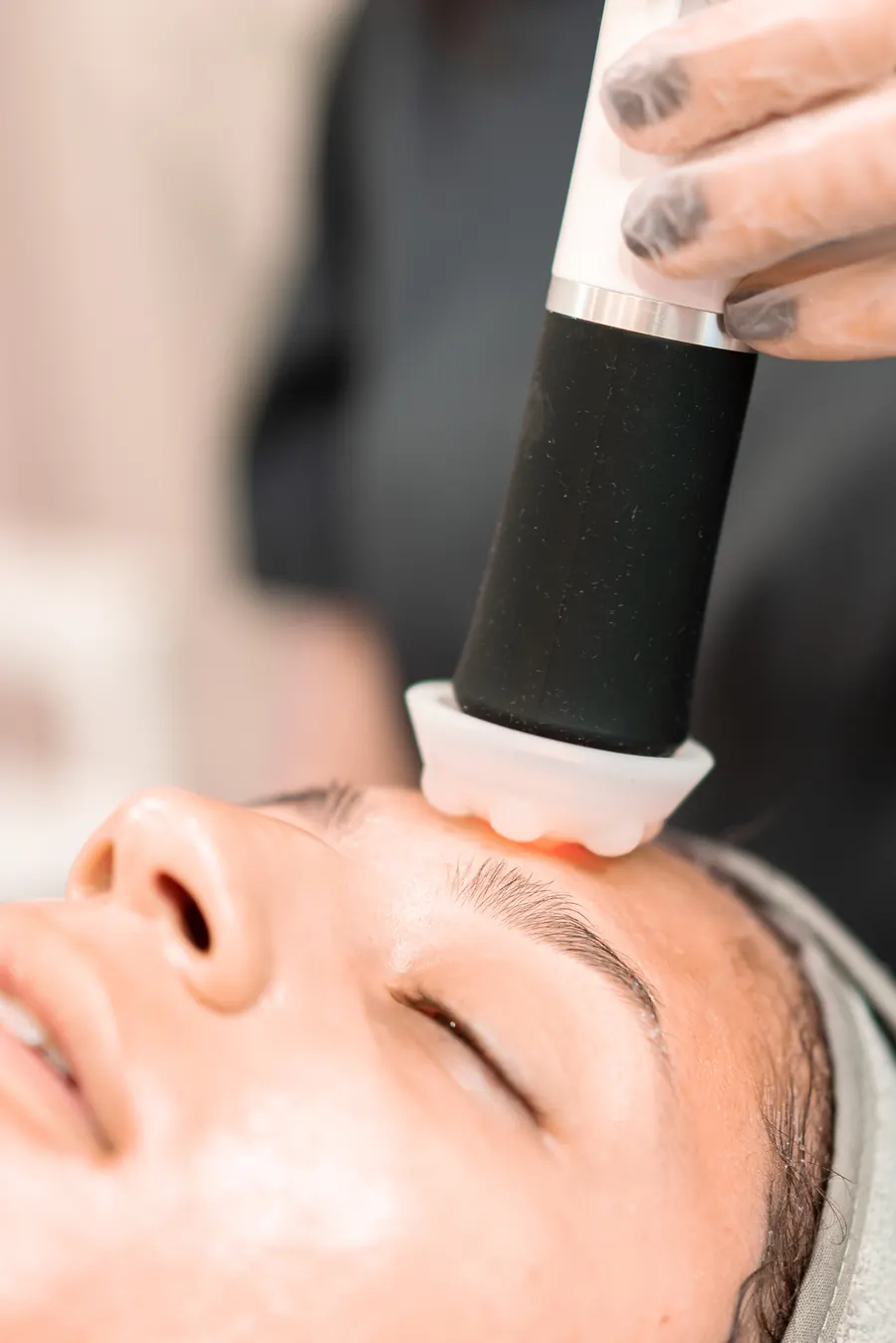
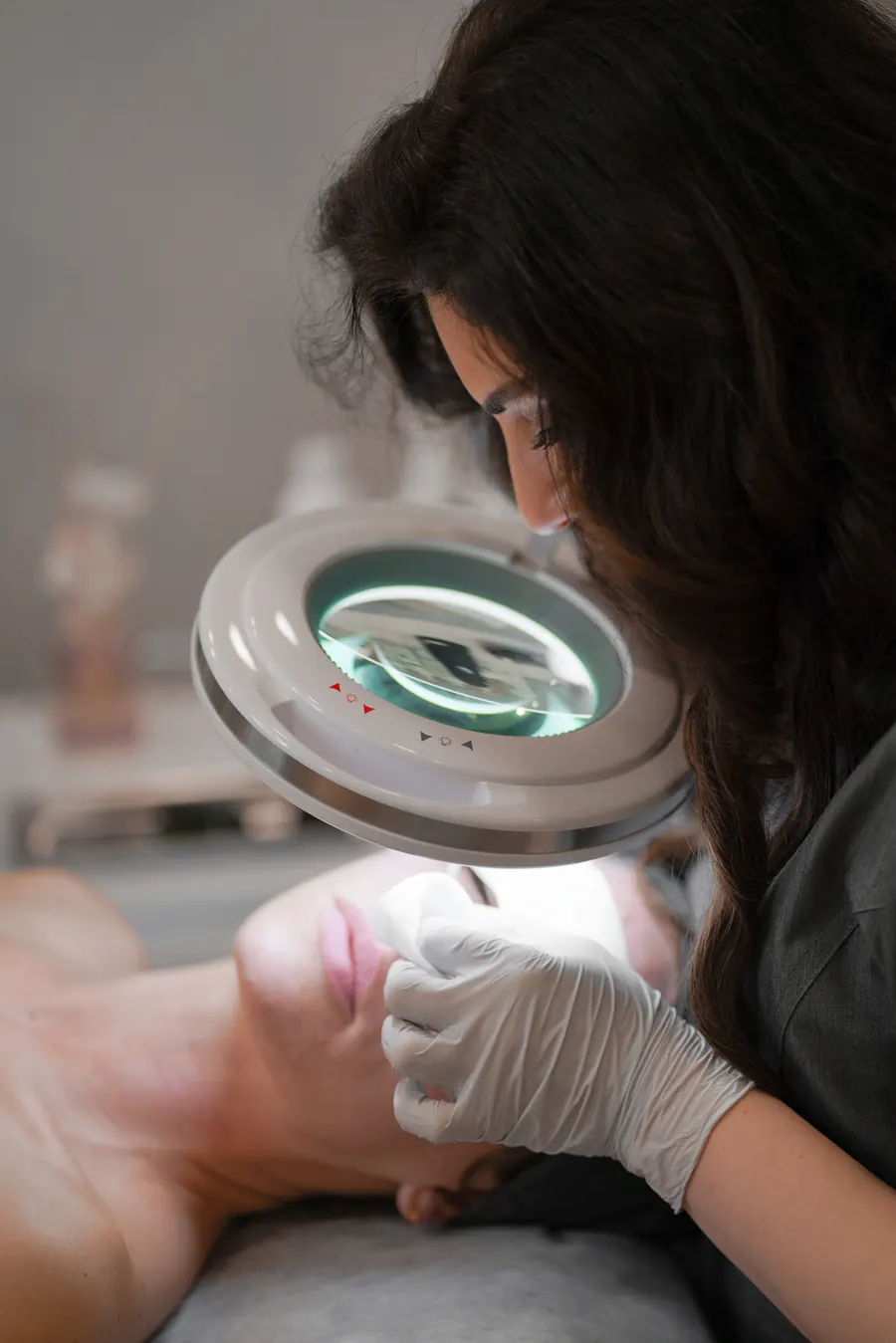
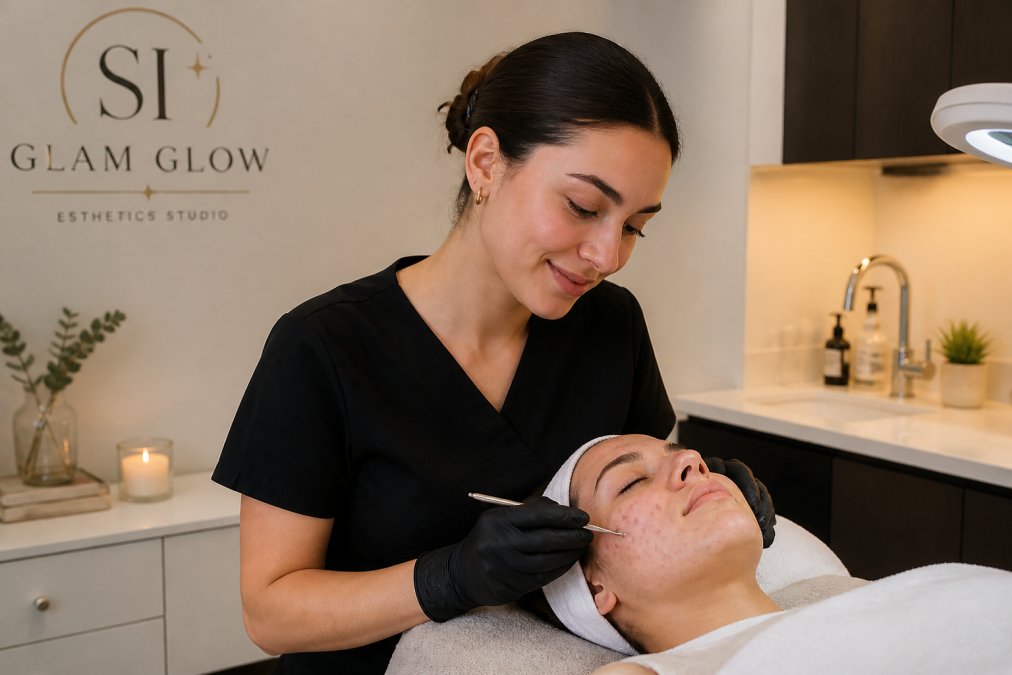
A professional acne facial is a practical way of backing up the things you’re already carrying out at home regarding your diet and skincare. At SI Glam Glow, our acne and teen facials stress gentle and deep-cleansing facials, help to calm inflammation, and aid the skin barrier. Facials such as our Anti-Acne Facial and Deep Cleansing Facial are designed to clear up congestion and leave the skin feeling more calm, without involving any harsh scrubbing.
There’s no need for meal planning to be complicated when it comes to busy teens and it should never seem like a punishment. The aim should be to make balanced choices simple and achievable, not perfect. If teenagers feel deprived or subjected to too many restrictions then their stress levels rise and stress on its own can cause breakouts. Therefore, the method used is just as important as the food..
Instead of focusing on what to cut out, focus on what to add. These swaps keep things familiar while supporting steadier blood sugar and less inflammation:
Teens are often rushing between school, activities, and social life. Planning ahead makes a real difference:
Acne already affects confidence. Adding strict food rules can make things harder, especially for teens who are already self-conscious. Restrictive dieting can lead to stress, guilt, or an unhealthy relationship with food, and stress can worsen acne.
Diet and meal planning are one part of a larger approach. A consistent skincare routine, professional acne facials, and, when needed, dermatologist guidance all work together. At SI Glam Glow, we support teens and parents with personalized care that respects both skin health and emotional well-being. If you are looking for gentle, professional support alongside the changes you are already making at home, we are here to help.
Teenage acne in some cases requires more than just changes to your diet and having facials. When acne is painful, deep, or causes scarring, it could be time to visit a dermatologist.
Signs it is time for professional medical care:
Acne during teenage years is common and is generally associated with hormonal changes which lead to increased sebum production and inflammation. While diet can have a supplementary effect, particularly when it comes to high-glycemic foods and the consumption of dairy, it is seldom the sole cause. Genetics, stress, and skincare products that block the pores also play a role. It is possible to deal with flare-ups by adopting a well-balanced method that involves eating nutrient-dense foods, cleansing gently, and getting advice from a qualified esthetician or dermatologist without attributing the problem to any one food.
There isn’t a straightforward test, but patterns may provide some hints. If your breakouts tend to get worse following meals high in glucose, the consumption of sweet drinks, or dairy products, then diet could be the cause. You should keep a record of your food intake and breakouts for two weeks in order to identify any links. Since the skin of adolescents is also affected by changes in hormones and the skin’s microbiome, having a professional acne facial or following a routine recommended by a dermatologist can help you tell apart dietary triggers from other factors and allow you to create a plan that promotes clearer skin.
Greek yogurt is dairy, and some research links dairy consumption, including yogurt, to acne vulgaris in teens. That does not mean every teen will break out from it. The relationship might be due to insulin levels and hormonal components in milk. If you think that Greek yogurt is a breakout trigger, try removing it for two to three weeks and note any changes. Keep in mind that yogurt also provides protein and probiotics, so consider alternatives before cutting it out entirely.
It is just as important for teenagers who have acne to maintain a gentle skincare routine as it is for them to eat a healthy diet. You should wash your face twice a day with a mild cleanser, use a moisturizer that doesn’t block the pores, and make sure you apply sunscreen. Avoid using rough scrubs since they can damage your skin. It is also helpful to get sufficient sleep, control your stress levels, and refrain from picking at pimples. In the case where the acne is painful or affects a large area of the skin, a dermatologist can talk to you about prescription treatments.
Teen acne can feel overwhelming, and it is easy to try everything at once and see nothing work. A steady routine, balanced eating, and the right professional support can make a real difference over time. At SI Glam Glow, we offer personalized acne and teen facials designed around your skin, your comfort, and your goals, with no harsh downtime and no pressure. If you are ready to take the next step, book a visit and let us build a plan that fits your skin.
Book a personalized consultation at our Staten Island studio and get a skin plan built around your goals.
Book a Consultation