
Serving clients throughout Staten Island, Brooklyn & New York City
Last Updated: August 11, 2026
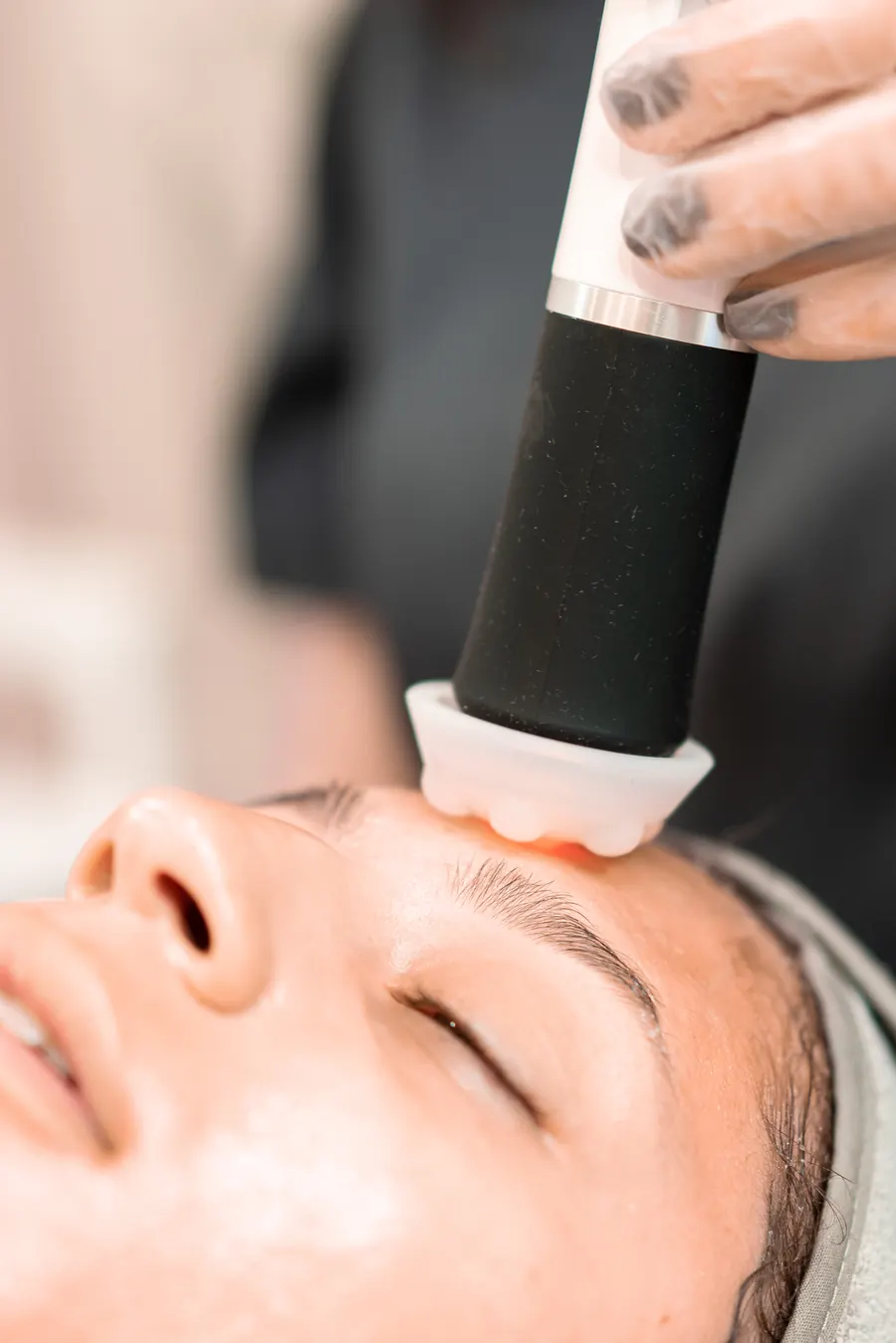
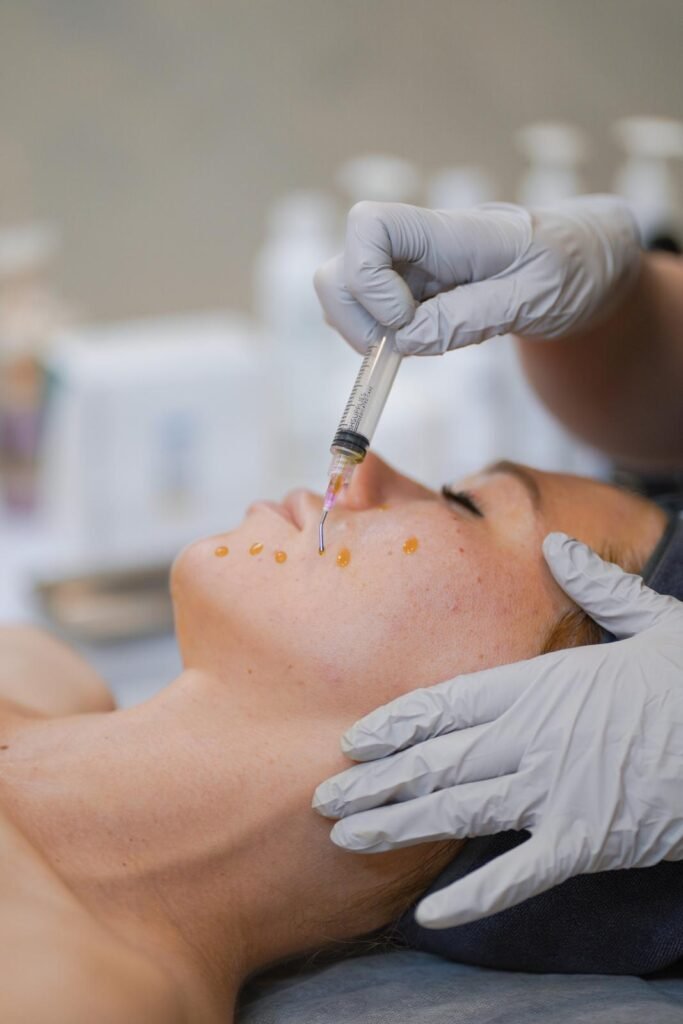
BioRePeel for acne scars is a professional-grade chemical resurfacing treatment using patented two-phase technology to address post-acne marks, uneven texture, and skin congestion without extended downtime. At SI Glam Glow, our licensed estheticians use BioRePeel as one of the tools available for persistent post-acne marks unresponsive to topical skincare alone.
The treatment works simultaneously on two levels: a lipophilic phase that penetrates sub-dermal layers, and a hydrophilic phase that acts on the epidermal surface. This dual-action approach separates BioRePeel from older resurfacing methods, delivering meaningful skin renewal without stripping the skin’s protective barrier.
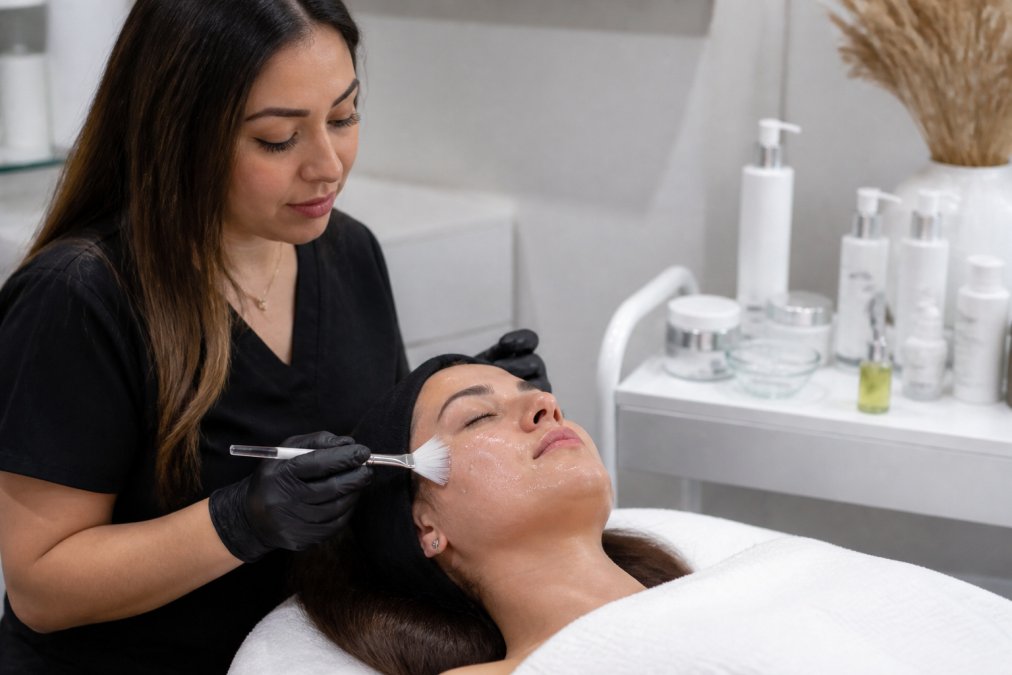
BioRePeel stimulates collagen production in the dermis while accelerating cell turnover at the surface, targeting both textural irregularities and lingering hyperpigmentation. According to American Academy of Dermatology guidance on acne scarring, post-inflammatory hyperpigmentation and shallow atrophic scars respond best to treatments combining exfoliation with dermal regeneration, exactly what BioRePeel delivers.
The lipophilic component penetrates through the lipid layer to work sub-dermally, triggering fibroblast activity responsible for collagen stimulation. The hydrophilic component handles surface-level exfoliation, improving texture and addressing congestion from dead cell buildup and sebum. These phases work sequentially on different tissue depths, allowing BioRePeel to deliver clinical-grade resurfacing while keeping post-treatment redness minimal, a significant advantage over traditional TCA peels requiring substantial recovery time.
Trichloroacetic acid (TCA) is the primary resurfacing agent with a long dermatological track record for treating photodamage, post-acne marks, and uneven texture. In BioRePeel, TCA concentration is calibrated for controlled exfoliation without the epidermal wounding of higher-percentage standalone treatments.
Salicylic acid penetrates pore linings, making it effective for acne scars accompanied by ongoing congestion. Amino acids support skin repair by providing building blocks for collagen and elastin synthesis. Vitamin C addresses hyperpigmentation by inhibiting melanin production, fading dark marks after inflammatory acne. GABA smooths fine lines, making BioRePeel useful beyond acne scar treatment.
BioRePeel produces strongest results on superficial to moderate scarring. Post-inflammatory erythema (persistent redness after breakouts) often shows visible improvement within two to three sessions. Post-inflammatory hyperpigmentation responds reliably because TCA and vitamin C directly target excess melanin.
Fitzpatrick skin typing assesses how skin responds to UV exposure and resurfacing treatments, ranging from Type I (very fair) to Type VI (deeply pigmented). Chemical peels carry higher post-inflammatory hyperpigmentation risk in deeper skin tones if not administered correctly.
According to guidance from the American Society for Dermatologic Surgery on chemical peels for skin of color, medium-depth peels require careful patient selection and adjusted protocols for Fitzpatrick Types IV through VI to minimize dyspigmentation risk.
BioRePeel is generally suitable for Fitzpatrick Types I through IV when administered by trained professionals. For Types V and VI, thorough consultation is essential to assess individual risk. The two-phase delivery system reduces aggressive surface trauma associated with traditional TCA peels, enabling broader use across skin types.
|
Scar Type |
BioRePeel Effectiveness |
Notes |
|---|---|---|
|
Post-inflammatory hyperpigmentation |
High |
Typically responds within 2-4 sessions |
|
Post-inflammatory erythema |
High |
Redness fades with repeated treatments |
|
Shallow rolling scars |
Moderate to high |
Collagen stimulation improves texture over time |
|
Mild boxcar scars |
Moderate |
Gradual improvement; may need combination approach |
|
Deep ice pick scars |
Low |
Better addressed with microneedling or subcision |
|
Severe boxcar scars |
Low |
BioRePeel best used as maintenance, not primary treatment |
Most clients need four to six sessions spaced two to four weeks apart to see meaningful improvement in acne scarring. Collagen remodeling is slow; each session triggers fibroblast activity and cell turnover, but visible results take four to six weeks to surface. Spacing sessions appropriately allows skin to complete each regeneration cycle before the next treatment.
For post-inflammatory hyperpigmentation, improvement often appears after two to three sessions. For textural irregularities like shallow rolling scars, the full four to six sessions are usually necessary for cumulative collagen stimulation to produce visible surface changes.
Severity determines session count. Mild post-acne marks may resolve within four sessions, while moderate scarring with ongoing congestion typically benefits from the full six-session course, sometimes followed by maintenance.
After completing an initial series, many clients schedule one BioRePeel session every six to eight weeks to sustain results and prevent new photodamage from accumulating.
BioRePeel recovery time is significantly shorter than most professional resurfacing treatments. Immediately after a session, mild redness and a warm, tight sensation typically resolve within hours. Unlike traditional TCA peels, BioRePeel does not cause visible peeling; exfoliation happens at the cellular level rather than producing sheet-like skin shedding.
Some clients experience light flaking or mild sensitivity in two to three days following treatment, indicating active cell turnover. The skin barrier needs support during this window, avoiding retinoids, additional exfoliants, or anything compromising protective function.
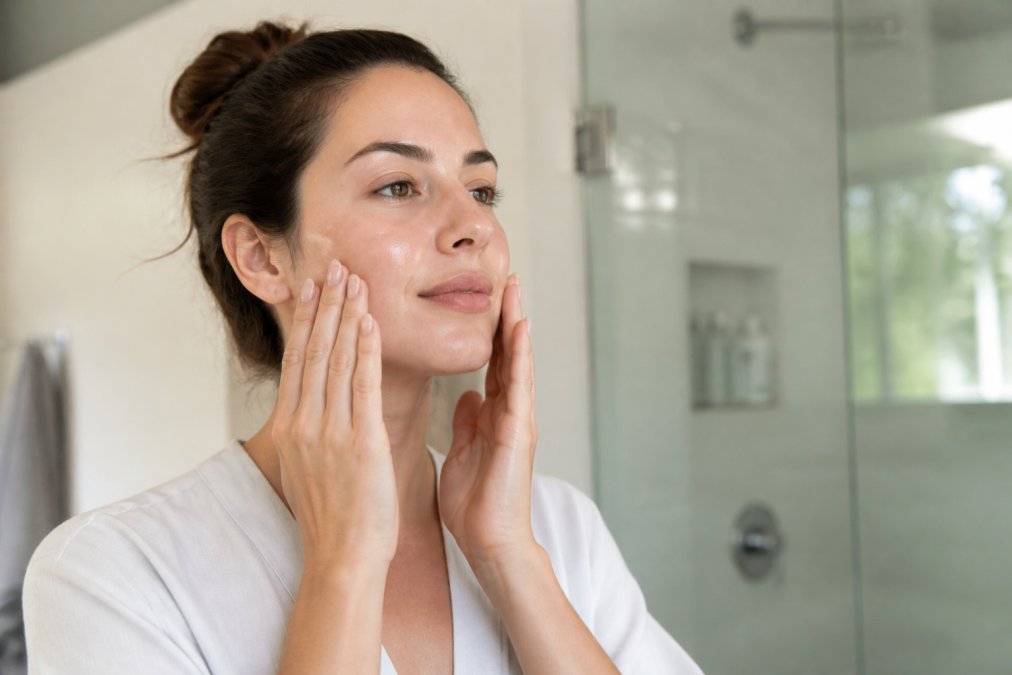
Post-treatment care involves gentle cleansing, fragrance-free moisturizer, and broad-spectrum SPF daily. Sun protection is non-negotiable after resurfacing; UV damage undoes skin rejuvenation and increases hyperpigmentation risk. Most clients return to normal activities the same day.
BioRePeel vs microneedling for acne scars isn’t a competition, they work through different mechanisms and excel at different scar presentations. The right choice depends on scar type, skin tone, and treatment goals.
Microneedling uses fine needles to create controlled micro-injuries triggering wound-healing responses that produce new collagen and elastin. It’s particularly effective for textural scarring, including rolling and moderate boxcar scars, because needles physically reach fibrotic tissue that chemical exfoliation cannot penetrate. According to clinical overview of microneedling for acne scars, multiple studies support microneedling as effective for atrophic acne scarring across skin types.
BioRePeel excels at surface-to-mid-dermal levels, handling hyperpigmentation, post-inflammatory erythema, congestion, and shallow textural irregularities more efficiently than microneedling in many cases, with less post-procedure redness and discomfort.
|
Feature |
BioRePeel |
Microneedling |
|---|---|---|
|
Primary mechanism |
Chemical exfoliation + collagen stimulation |
Mechanical collagen induction |
|
Best for |
Hyperpigmentation, shallow scars, skin texture |
Moderate to deep atrophic scars |
|
Downtime |
Minimal (hours) |
1-3 days of redness/swelling |
|
Fitzpatrick suitability |
Types I-IV (broader with care) |
Types I-VI with appropriate settings |
|
Sessions needed |
4-6 for acne scars |
3-6 for acne scars |
|
Combination potential |
Often combined with microneedling |
Can follow BioRePeel in a protocol |
Strongest outcomes for moderate to severe scarring often come from combining both treatments in a planned sequence. BioRePeel prepares skin, improves surface quality, and addresses pigmentation while microneedling handles deeper structural remodeling.
BioRePeel cost per session varies by provider, geographic market, and whether performed standalone or as part of a bundled protocol. SI Glam Glow recommends contacting the practice directly for current pricing and package options.
Evaluate total investment across a full four to six-session course followed by periodic maintenance, not just per-session cost. Long-term maintenance typically means one session every six to eight weeks after the initial series, sustaining renewal benefits and preventing new UV damage. Clients maintaining this schedule see progressively better skin texture and tone over time.
For clients with ongoing acne alongside scarring, a personalized plan addressing active congestion first, then pivoting to scar-focused sessions, is generally more cost-effective than treating both simultaneously.
According to American Academy of Dermatology overview of acne treatment costs and considerations, professional skin treatments should be evaluated within a sustained skincare plan rather than as isolated interventions, a principle directly applicable to BioRePeel’s role in long-term skin health strategy.
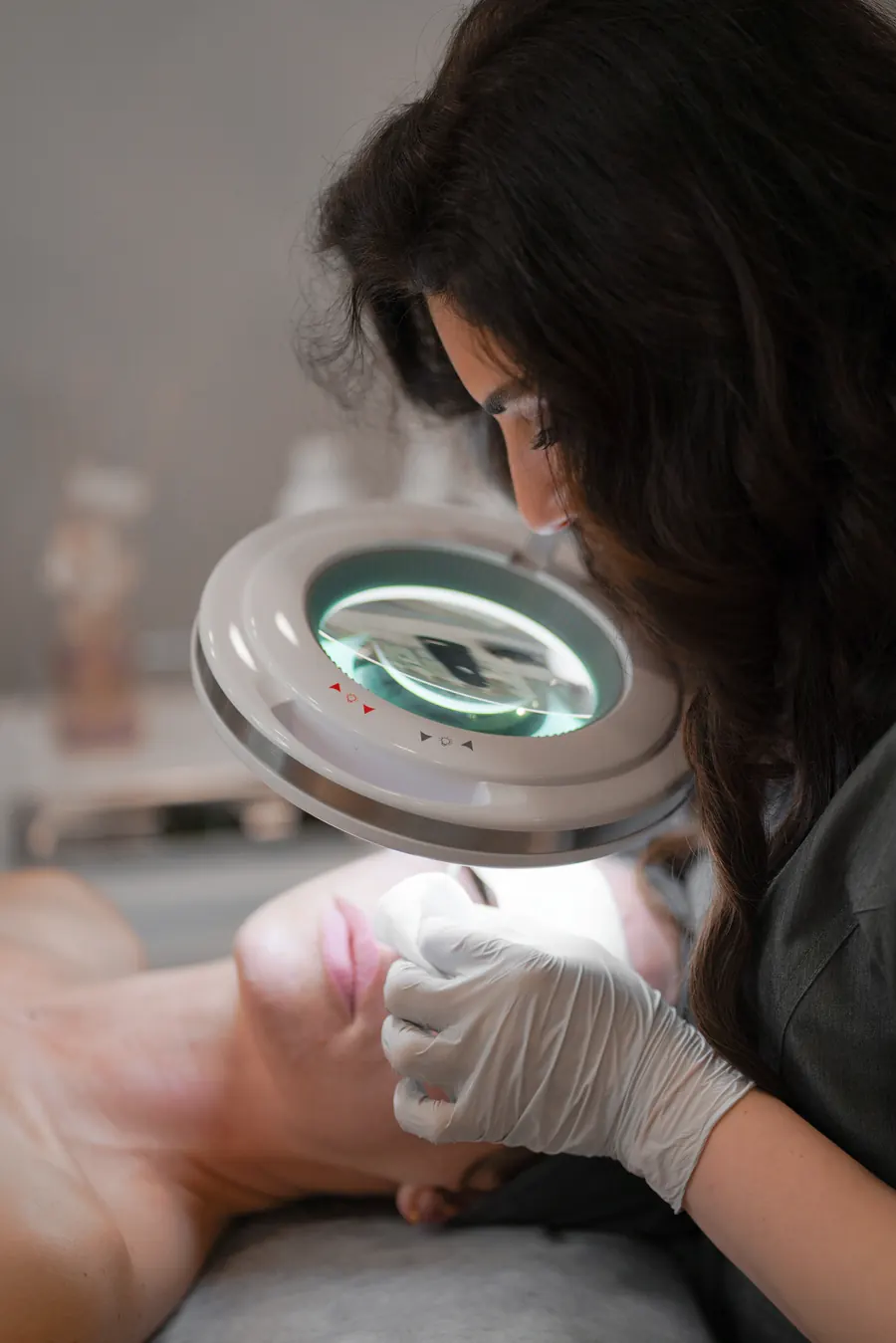
Acne scarring is one of the most persistent skin concerns, and frustration with products that don’t reach the problem’s source is real. SI Glam Glow’s licensed estheticians provide personalized consultations to assess your specific scar type, skin tone, and treatment history before recommending a BioRePeel protocol. With professional-grade skincare and custom treatment plans, the goal is visible, sustained improvement. Book your consultation with SI Glam Glow to find out whether BioRePeel for acne scars is the right starting point for your skin.
Most people with mild post-acne marks see meaningful improvement after four to six sessions, spaced roughly two weeks apart. Deeper atrophic or pitted scars typically require six or more sessions, and your esthetician may recommend combining BioRePeel with another treatment for more significant results. A personalized consultation is the most reliable way to set realistic expectations based on your specific scar type and skin tone.
BioRePeel is widely described as a low-downtime treatment. Most people experience mild redness and subtle flaking for two to four days after a session — far less than traditional deep chemical peels. You can typically return to daily activities immediately, though sun exposure and active skincare ingredients like retinol should be avoided for several days while the skin barrier recovers. Your provider will give you specific aftercare instructions.
BioRePeel’s two-phase, non-invasive formula is generally considered suitable for a broad range of Fitzpatrick skin types, including medium and olive complexions that can be more sensitive to post-inflammatory hyperpigmentation with traditional TCA peels. However, it is not appropriate for everyone — active acne breakouts, certain skin conditions, and very dark skin tones may require modified protocols. A licensed esthetician should assess your skin before your first session.
Yes. Many providers use BioRePeel and microneedling as a combined protocol, particularly for atrophic or pitted acne scars that need both surface-level exfoliation and deeper collagen stimulation. BioRePeel handles epidermal renewal and hyperpigmentation, while microneedling targets sub-dermal remodeling. The two treatments are usually scheduled in alternating sessions rather than on the same day. Discuss this approach with your esthetician to see whether it suits your scar severity and skin type.
Book a personalized consultation at our Staten Island studio and get a skin plan built around your goals.
Book a Consultation