Serving clients throughout Staten Island, Brooklyn & New York City
Last Updated: August 19, 2026
Rosacea is a chronic skin condition characterized by persistent redness, visible blood vessels, and sometimes small bumps or pustules on the face. It affects millions of people and often worsens with certain triggers like heat, spicy foods, stress, or harsh skincare products. The condition varies widely, some people experience mild flushing, while others deal with significant inflammation and visible telangiectasia (dilated blood vessels).
Professional facial treatments for rosacea require a different approach than standard facials. Your skin barrier is compromised, sensitivity is heightened, and traditional exfoliation or harsh ingredients can trigger flare-ups. The goal isn’t to strip or transform the skin aggressively, it’s to calm inflammation, strengthen the barrier, and support healing.
At SI Glam Glow, we work with clients who have rosacea regularly. The key is understanding your specific rosacea subtype and choosing treatments that soothe rather than irritate. Not every professional facial is suitable for rosacea-prone skin, and that’s exactly why personalized assessment matters before booking.
Many people assume professional facials will make rosacea worse. The opposite is true when the right treatment is selected and performed by a licensed esthetician who understands sensitive skin. Gentle, anti-inflammatory facials can reduce redness over time, improve skin texture, and help you feel more confident in your skin.
The best facial for sensitive skin with rosacea prioritizes calming, hydrating, and barrier-supporting ingredients over aggressive exfoliation or stimulation. You’re looking for treatments that reduce inflammation, strengthen the epidermal barrier, and avoid triggering flare-ups.
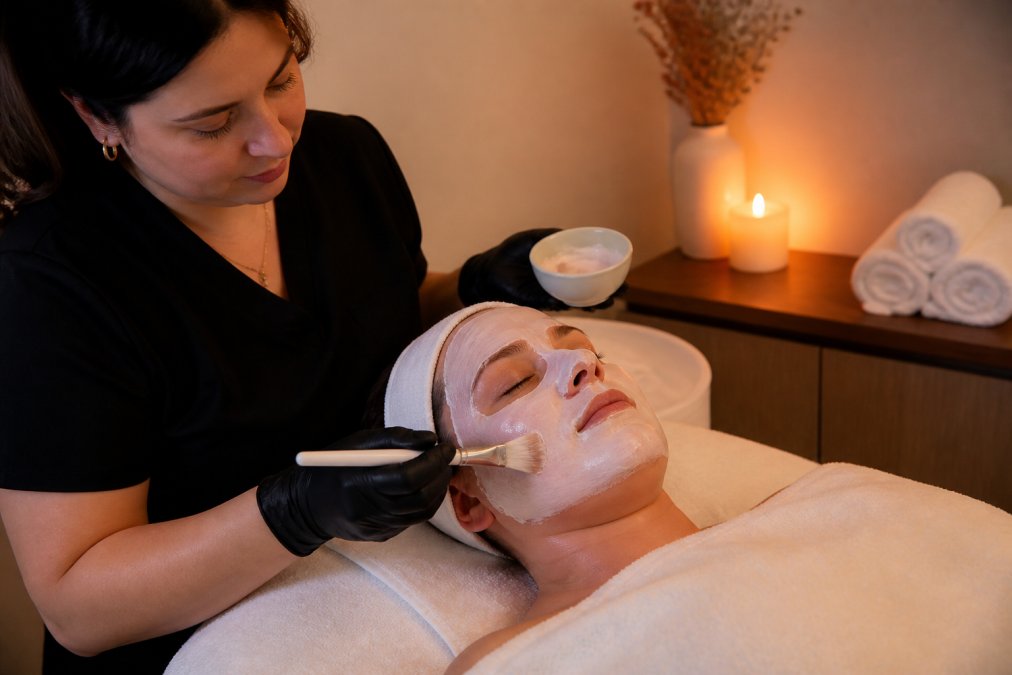
A hydrating facial with nourishing serums and barrier-repair products is often the safest starting point. These facials typically include gentle cleansing, light hydration, and calming masks, no harsh scrubbing or strong actives. The focus is on delivering moisture and anti-inflammatory ingredients like niacinamide, azelaic acid, aloe vera, chamomile, and oat extract.
Some people with rosacea benefit from facials that include soothing agents and lipid-enriched products designed to repair the skin barrier. These treatments focus on hydration and nourishment rather than exfoliation. They’re particularly helpful if your rosacea flares easily or if your skin feels tight and uncomfortable.
Avoid facials that include strong exfoliants, retinoids, vitamin C at high concentrations, or thermal treatments (like hot stone massage or steam) without professional guidance. These can trigger flare-ups. If you’re unsure whether a specific treatment is safe for your skin, ask your esthetician to explain how it will be modified for rosacea-prone skin.
Calming facials specifically target erythema and inflammatory papules by incorporating anti-inflammatory ingredients and techniques that soothe rather than stimulate. The goal is to reduce visible redness and create a more even skin tone.
These facials typically include ingredients like niacinamide, which strengthens the barrier and reduces inflammation; azelaic acid, which has both anti-inflammatory and antimicrobial properties; and botanical extracts like chamomile, aloe vera, and oat extract, which are known for their soothing effects. The combination works to calm the skin and reduce the appearance of redness over time.
A typical calming facial might include gentle cleansing with a mild, pH-balanced cleanser, followed by a hydrating toner or essence. The esthetician then applies a calming serum or treatment mask infused with soothing ingredients. Some facials include light massage techniques that promote circulation without causing irritation, this can actually help reduce redness by improving blood flow in a controlled way.
The key difference between a standard hydrating facial and a calming facial is the active ingredient selection and treatment approach. Calming facials prioritize anti-inflammatory action, while standard hydrating facials focus on moisture delivery. For rosacea, the calming approach is usually more effective.
If you experience pustules or papules alongside redness, your esthetician may recommend incorporating gentle exfoliation or specific actives into the calming facial protocol. This is where personalization matters, what works for someone with primarily vascular rosacea may not suit someone with inflammatory rosacea.
What you do at home between professional facials is just as important as the treatments themselves. A consistent, rosacea-friendly skincare routine supports the benefits of professional treatments and helps prevent flare-ups.
Start with a gentle, fragrance-free cleanser designed for sensitive skin. Avoid hot water, use lukewarm water instead. Pat your skin dry gently rather than rubbing. This simple step prevents unnecessary irritation and sets the foundation for everything that follows.
Next, apply a hydrating toner or essence if your skin feels dry or tight. This adds a layer of hydration and prepares your skin to absorb serums and treatments more effectively. Look for products with humectants like glycerin or hyaluronic acid.
Your core treatment step should include a product with anti-inflammatory ingredients. Niacinamide is excellent for rosacea, it reduces inflammation, strengthens the barrier, and is well-tolerated by sensitive skin. Azelaic acid is another strong choice, particularly if you have papules or pustules alongside redness. Apply these once or twice daily as directed.
Follow with a hydrating serum or essence to lock in moisture. Then apply a moisturizer formulated for sensitive or rosacea-prone skin. Look for products with a lipid-enriched base and barrier-supporting ingredients. Avoid heavy occlusive creams unless your skin is very dry, sometimes these can feel suffocating on rosacea-prone skin.
Always finish with broad-spectrum sunscreen during the day, even if you’re staying indoors. UV exposure is a major rosacea trigger, and sun protection is non-negotiable. Look for mineral sunscreens (zinc oxide or titanium dioxide) rather than chemical formulas, which can irritate sensitive skin.
At night, you can add an additional treatment if needed, perhaps a calming mask once or twice weekly, or a barrier-repair serum. Keep your routine simple and consistent. Introducing too many new products at once makes it hard to identify what helps and what triggers flare-ups.
Understanding what happens during a professional facial for rosacea helps you feel more comfortable and know what’s normal afterward.
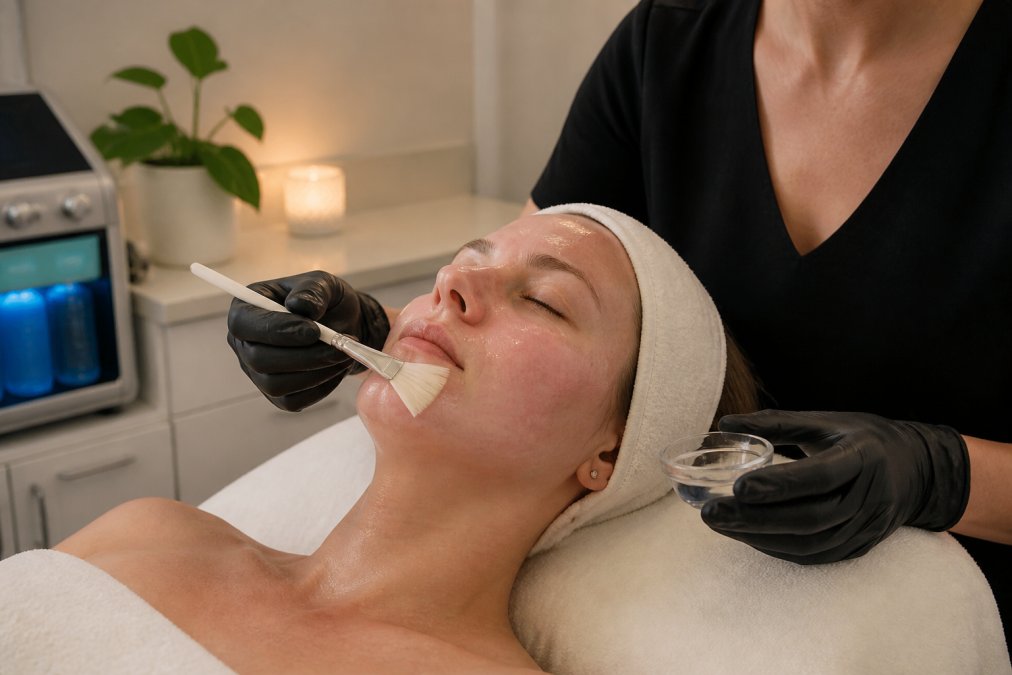
Your esthetician will begin with a consultation to understand your rosacea history, current triggers, and any products you’re using at home. They’ll examine your skin to assess redness, visible blood vessels, and any active inflammation. This assessment guides the entire treatment, it’s not a standard one-size-fits-all facial.
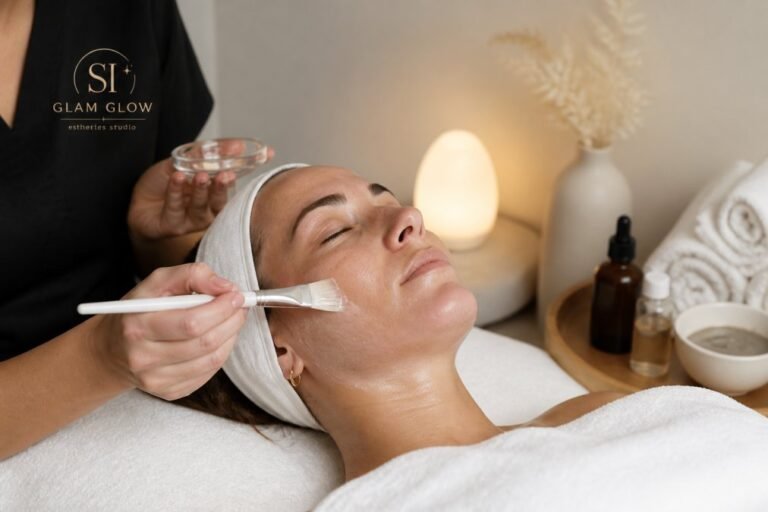
During the facial, expect gentle cleansing, light hydration, and calming treatments. If your esthetician recommends any exfoliation, it will be very light and performed with your comfort in mind. Many rosacea-focused facials skip exfoliation entirely in favor of hydration and soothing ingredients. You should feel relaxed, not uncomfortable or irritated.
The facial typically lasts 60 minutes, though some treatments run longer. Your skin should feel calm and hydrated when you leave, not tight, burning, or excessively red. Mild flushing immediately after a facial is normal, but it should subside within a few hours.
Immediately after your facial, avoid hot showers, saunas, intense exercise, or heat exposure for at least a few hours. Your skin is more sensitive post-treatment, and heat can trigger a flare-up. Stick to your regular skincare routine, and avoid introducing new products for at least a few days.
Some people experience mild redness or slight sensitivity for 24 hours after a facial, this is normal. If you notice significant burning, swelling, or a flare-up that doesn’t improve within 48 hours, contact your esthetician. This information helps them adjust your next treatment.
Most people benefit from professional facials every 4-6 weeks for rosacea. This frequency allows your skin to respond to treatment while maintaining momentum. Your esthetician may recommend a different schedule based on your specific needs and response.
Selecting the right professional facial treatment for rosacea comes down to understanding your specific rosacea subtype, your skin’s sensitivity level, and what results you’re hoping to achieve.
Rosacea has four recognized subtypes. Subtype 1 is primarily flushing and persistent redness without papules. Subtype 2 includes persistent redness along with papules and pustules. Subtype 3 involves thickened skin and enlarged pores, often on the nose. Subtype 4 is primarily ocular rosacea affecting the eyes. Your subtype influences which treatments will be most effective.
If your rosacea is mild and manageable with skincare, hydrating and calming facials may be all you need.
Consider your skin’s baseline sensitivity. If your skin reacts to almost everything, start with the gentlest option available, a hydrating facial with minimal active ingredients. If your skin is more resilient, you might tolerate light exfoliation or stronger anti-inflammatory actives. Your esthetician should adjust recommendations based on your tolerance.
Think about your goals. Are you trying to reduce visible redness? Improve skin texture? Minimize papules? Address specific triggers? Your goals help determine which treatment makes sense. Someone focused on vascular redness might prioritize light therapy, while someone dealing with inflammatory papules might focus on gentle facials with targeted actives.
Ask your esthetician about their experience with rosacea. A licensed esthetician who regularly works with rosacea-prone skin understands the nuances and knows how to modify treatments in real time. They should be able to explain why they’re recommending a specific approach and what you can realistically expect.
Finally, commit to the process. Professional facials for rosacea aren’t a one-time fix. You’ll see the best results with consistent treatment over several months, combined with a solid at-home routine and trigger management. Most people see meaningful improvement after 4-6 sessions, but timelines vary.
Rosacea can feel frustrating when you’re navigating treatment options and worrying about making it worse. The good news is that gentle, professional facial treatments designed specifically for rosacea-prone skin can reduce redness, calm inflammation, and help you feel more confident. At SI Glam Glow, we specialize in personalized facial treatments for sensitive skin, including customized approaches for clients managing rosacea. During a consultation, we assess your specific rosacea subtype, discuss your triggers and goals, and recommend treatments tailored to your skin’s needs. Whether you’re interested in calming facials or a combination approach, our licensed esthetician takes the time to ensure you feel comfortable and informed every step of the way. Reach out to learn more about how we can help support your skin.
The best facial for rosacea depends on your specific skin type and concerns. Light-based therapies like intense pulsed light (IPL) can reduce visible blood vessels and erythema, while gentler options like hydrating facials with soothing ingredients support barrier repair. A licensed esthetician can assess your skin and recommend which professional facial treatment aligns with your needs. Some clients benefit from a combination approach—starting with gentle facials to calm inflammation, then adding targeted treatments as skin tolerance improves.
Frequency depends on your skin’s sensitivity and the type of treatment. Gentle calming facials may be done every 4-6 weeks, while more intensive treatments like laser therapy often space appointments 4-8 weeks apart to allow proper healing. Your esthetician will create a personalized schedule during your consultation. Consistency matters more than frequency—regular, gentle care often produces better results than occasional aggressive treatments.
Avoid facials containing harsh exfoliants, fragrance, alcohol, and irritating acids that can trigger flare-ups. Instead, look for treatments featuring anti-inflammatory ingredients like niacinamide, azelaic acid, aloe vera, chamomile, and oat extract. These support barrier repair and reduce redness without aggravating sensitive skin. Always mention your rosacea diagnosis before booking so your esthetician can customize the treatment and select appropriate products.
Yes. Professional facials can help reduce the appearance of erythema and telangiectasia (visible blood vessels). Light-based therapies target these concerns directly, while hydrating and anti-inflammatory facials support the epidermal barrier and calm inflammation. Results vary by individual and treatment type, but many clients notice improvement in redness and texture over a series of sessions. Your esthetician will explain realistic expectations during your consultation.
Book a personalized consultation at our Staten Island studio and get a skin plan built around your goals.
Book a Consultation