

Serving clients throughout Staten Island, Brooklyn & New York City

Last Updated: August 17, 2026
Uneven skin tone naturally develops when melanin production becomes inconsistent across your face. Some areas produce more pigment than others, creating visible patches, spots, or an overall dull complexion that doesn’t reflect light evenly.
Several factors drive this. Sun exposure is the most common culprit, UV rays trigger melanin production as a protective response, but this happens unevenly depending on which areas get direct sun and which don’t. Over time, this creates dark spots and sun damage that accumulate.
Post-inflammatory hyperpigmentation is another major cause. After acne, irritation, or any skin inflammation heals, your skin sometimes produces excess melanin in that spot as part of the healing process. This can linger for months or even years if not addressed.
Age and hormonal changes also play a role. As your skin cells turn over more slowly with age, dead skin cells accumulate unevenly, making some areas look duller than others. Hormonal shifts, from birth control, pregnancy, or menopause, can trigger melasma, a condition where larger patches of hyperpigmentation develop, usually on the cheeks and forehead.
Environmental stress and free radicals damage skin cells and disrupt melanin regulation. Pollution, smoke, and oxidative stress create inflammation that can worsen uneven skin tone over time. Genetics matter too, if your family tends toward hyperpigmentation or sensitivity, you’re more likely to develop uneven tone.
The good news: uneven skin tone naturally responds well to consistent care. Understanding what’s causing yours helps you choose the right approach.
Your daily skincare routine is the foundation for addressing uneven skin tone naturally. This isn’t about buying expensive products, it’s about using the right ones consistently and in the right order.
Start with a gentle cleanser that removes oil and debris without stripping your skin. Use lukewarm water, not hot, which can irritate and worsen inflammation. Pat dry gently rather than rubbing.
Next, apply a hydrating toner or essence. This step restores moisture and prepares your skin to absorb the treatments that follow. Many people skip this, but it makes a real difference in how well your skin responds to the next layers.
A vitamin C serum comes next. Vitamin C is one of the most effective brightening ingredients available. It neutralizes free radicals, supports collagen production, and can help fade dark spots over time. Apply it to damp skin so it absorbs better, then wait a minute before moving to the next step.
Follow with a niacinamide treatment or moisturizer. Niacinamide reduces inflammation, supports your skin barrier, and helps regulate sebum production. It’s especially helpful if your uneven tone is tied to acne or sensitivity.
In the morning, always finish with a broad-spectrum sunscreen with at least SPF 30. This is non-negotiable. Sun protection prevents new dark spots from forming and stops existing ones from darkening. Without it, all your other efforts get undermined every time you go outside.
At night, you can add a targeted treatment. Kojic acid or glycolic acid serums can help with hyperpigmentation, but introduce them slowly, start 2-3 times per week to let your skin adjust. These work by speeding up cellular turnover, which helps shed pigmented cells faster.
The timeline matters. Expect to see subtle improvements in skin brightness within 4-6 weeks of consistent daily use. More significant fading of dark spots typically takes 8-12 weeks or longer, depending on how deep the pigmentation is.
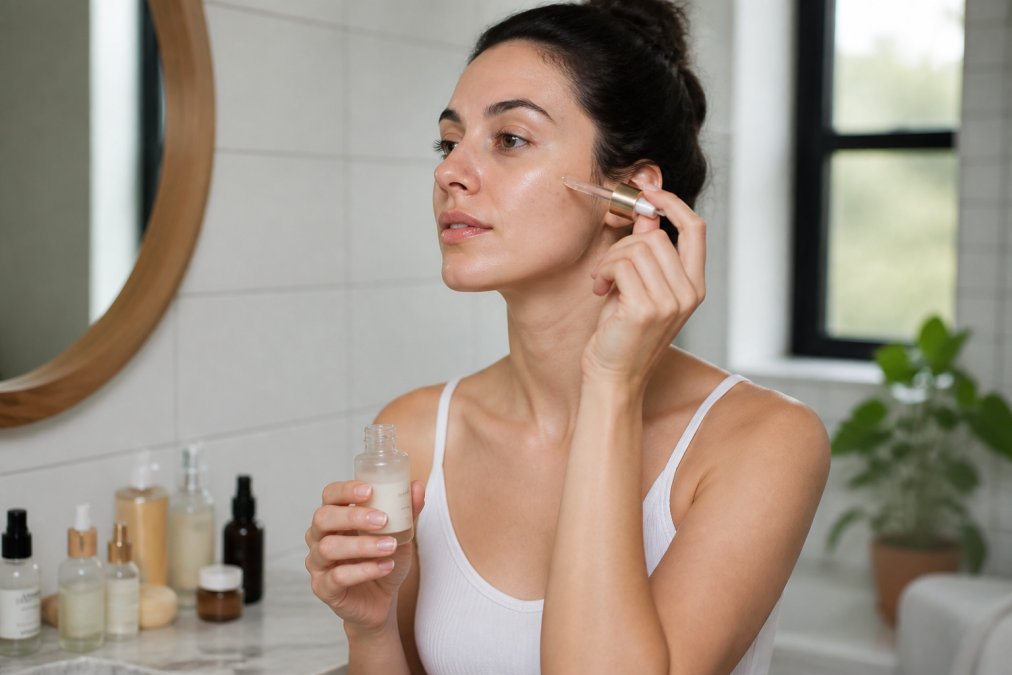
Exfoliation is where real progress happens for uneven skin tone naturally. Your skin naturally sheds dead cells, but as you age, this process slows down. Dead skin cells accumulate unevenly, trapping pigmented cells on the surface and making your complexion look dull and blotchy.
Chemical exfoliation works better than physical scrubbing for uneven tone. Glycolic acid and lactic acid (alpha hydroxy acids, or AHAs) dissolve the bonds between dead skin cells, allowing them to shed more efficiently. Salicylic acid (a beta hydroxy acid) works deeper into pores if you also deal with congestion or acne-related pigmentation.
Start with a low concentration, 5-7% glycolic acid is gentle enough for most skin types. Use it 2-3 times per week initially. As your skin builds tolerance, you can increase frequency, but don’t overdo it. Over-exfoliation damages your skin barrier and can actually worsen inflammation and hyperpigmentation.
Physical exfoliation like microdermabrasion removes the outermost layer of skin mechanically. It’s effective, but it requires professional application to avoid irritation. Many people benefit from professional microdermabrasion treatments combined with at-home chemical exfoliation for faster results.
The key is consistency. Exfoliation works by speeding up cellular turnover, the rate at which your skin sheds old cells and produces new ones. This process takes time. You’re essentially accelerating the natural timeline so that pigmented cells get replaced faster with fresh, even-toned skin underneath.
If your skin is sensitive or dealing with active acne, introduce exfoliation slowly. Starting too strong can trigger more inflammation and worsen post-inflammatory hyperpigmentation. A licensed esthetician can assess your skin and recommend the right exfoliation approach for your specific concerns.
A solid routine for uneven skin tone naturally follows a specific order, and each step matters.
Morning Routine:
Evening Routine:
Weekly Additions:
The most common mistake is jumping to too many actives at once. Your skin barrier needs time to adjust. Add one new product every 2-3 weeks, and give each one at least 4-6 weeks before deciding if it’s working.
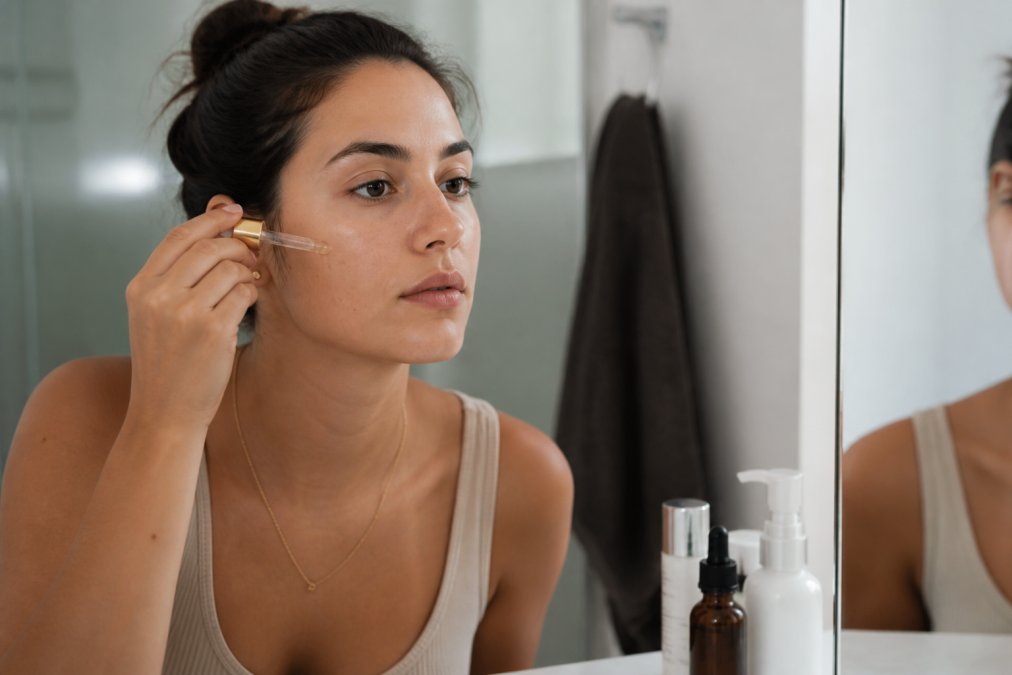
Results from a solid daily routine appear gradually. You might notice brighter skin and better texture within a month. More significant fading of dark spots and melasma takes longer, typically 3-6 months of consistent use. This is normal. Hyperpigmentation is stubborn, and patience is part of the process.
Microdermabrasion is one of the most effective professional treatments for uneven skin tone naturally. It works by physically removing the outermost layer of dead skin cells, revealing fresher skin underneath and speeding up cellular turnover significantly.
For hyperpigmentation and dark spots, microdermabrasion is particularly useful because it targets the exact layer where pigmented cells accumulate. A single treatment can improve texture and brightness noticeably. Most people see results after 3-6 sessions spaced 2-4 weeks apart.
The treatment feels like a gentle sanding sensation. It’s not painful, though your skin may feel slightly tender afterward. There’s minimal downtime, you might have mild redness for a few hours, but most people can return to normal activities immediately.
One important consideration: microdermabrasion works best when combined with a strong at-home regimen. The professional treatment removes the damaged outer layer, but your daily skincare routine prevents new damage and supports the skin’s repair process. Without both, results plateau.
Microdermabrasion is safe for most skin types, but it’s not ideal if you have active acne, severe rosacea, or very sensitive skin. A professional assessment determines whether it’s right for you. At SI Glam Glow, our licensed esthetician can evaluate your skin and recommend whether microdermabrasion or an alternative approach like HydroDerm or Glo2Facial would better address your specific concerns.
Results typically appear after the first treatment, but they build with each session. You’ll notice smoother texture first, followed by gradual fading of dark spots and more even tone overall.
Dermaplaning removes fine facial hair and the outermost layer of dead skin cells using a specialized surgical blade. This dual action makes it excellent for improving skin texture and creating a smoother, more radiant appearance.
The immediate benefit is a smoother surface. By removing that top layer of dead skin, your complexion looks brighter and feels softer right away. This also allows skincare products to penetrate more effectively, so your serums and treatments work better.
For uneven skin tone naturally, dermaplaning helps in several ways. It removes the dull, pigmented cells that sit on the surface, revealing fresher skin underneath. It also stimulates cellular turnover, so your skin produces new, evenly-toned cells more quickly. Over time, this leads to a more uniform complexion.
Dermaplaning is gentle enough for sensitive skin and won’t cause the irritation that some chemical exfoliants can trigger. There’s no downtime, you can apply makeup and go about your day immediately. Your skin may feel slightly tender, but redness is minimal.
One myth worth addressing: dermaplaning does not make hair grow back thicker or darker. The hair that grows back is the same as what was there before, it just appears blunt at first because it’s been cut cleanly. Within a few weeks, it grows out naturally.
Results appear immediately after treatment. Your skin looks brighter and feels smoother. With regular sessions every 3-4 weeks, you’ll notice increasingly even tone and refined texture over time. Many people combine dermaplaning with other treatments like Glo2Facial or microdermabrasion for faster, more dramatic results.
The most effective approach to fixing uneven skin tone naturally combines natural, effective ingredients with professional treatments. Neither alone delivers results as quickly as both together.
Natural ingredients like vitamin C, niacinamide, kojic acid, and antioxidants work at the cellular level. They support your skin’s natural repair processes, reduce inflammation, and help regulate melanin production. But they work slowly because they have to penetrate through multiple layers of skin and operate within your skin’s natural timeline.
Professional treatments accelerate this. Microdermabrasion, dermaplaning, and chemical peels remove damaged skin faster than your body naturally would. They trigger a controlled healing response that speeds up cellular turnover. But without the right at-home care afterward, your skin doesn’t have the support it needs to maintain and build on those results.
Here’s what the best outcomes look like: you receive a professional treatment, then follow a targeted at-home routine with proven brightening ingredients. The professional treatment removes the barrier (dead skin and pigmented cells), and your daily skincare routine prevents new damage and supports the healing process. Over 2-3 months, you see significant improvement in evenness and tone.
A licensed esthetician can assess your specific situation and recommend which professional treatments pair best with which ingredients for your skin type. Some people benefit most from Glo2Facial combined with vitamin C serums. Others see better results from microdermabrasion paired with niacinamide and kojic acid. The right combination depends on what’s causing your uneven tone and how your skin responds to different approaches.
Safety matters too. Certain ingredients interact with professional treatments, and some combinations can cause irritation. A professional consultation ensures you’re using the right products in the right way without overwhelming your skin barrier.
Fixing uneven skin tone naturally takes consistency, patience, and the right combination of at-home care and professional support. You can’t rush the process, melanin and pigmentation changes happen on a cellular timeline, but you can accelerate it with the right approach.
Start with a solid daily routine featuring vitamin C, niacinamide, and sun protection. Add gentle exfoliation 2-3 times per week. Then layer in professional treatments like dermaplaning or microdermabrasion every 3-4 weeks. This combination addresses uneven skin tone at multiple levels: preventing new damage, supporting your skin barrier, and removing damaged cells faster than your body naturally would.
Results typically appear within 4-6 weeks, with more significant improvements by 8-12 weeks. Some stubborn dark spots or melasma may take longer, but consistent effort pays off.
Results vary depending on the cause and your approach. With consistent daily skincare, you may notice subtle improvements in radiance and texture within 4-6 weeks. Exfoliation and brightening ingredients like vitamin C and niacinamide typically show visible results in 8-12 weeks with regular use. Professional treatments such as microdermabrasion or dermaplaning can improve appearance more quickly, often with visible results after 1-2 sessions. Sun damage and melasma may require longer commitment, sometimes 3-6 months of consistent treatment.
Vitamin C is one of the most effective vitamins for brightening and evening skin tone. It supports collagen production, reduces the appearance of dark spots, and protects against free radicals and sun damage. Niacinamide (vitamin B3) also helps regulate melanin production and reduce inflammation, making it excellent for post-inflammatory hyperpigmentation. Vitamin E works as an antioxidant to support skin barrier health. A combination of these vitamins in your routine often produces better results than using one alone.
Natural ingredients can support skin brightening, but results depend on consistency and realistic expectations. Ingredients like kojic acid, glycolic acid, and antioxidants do help improve cellular turnover and reduce the appearance of discoloration. However, they work more gradually than professional treatments and require patch testing first to avoid irritation or phototoxicity. Natural remedies work best when combined with sun protection and a solid daily skincare routine. For stubborn concerns like melasma or significant sun damage, professional treatments often deliver faster, more dramatic results.
Consider professional treatment if home skincare hasn’t improved your skin tone after 2-3 months, if you have significant dark spots or melasma, or if you’re unsure what’s causing the discoloration. Professional treatments like microdermabrasion and dermaplaning can accelerate results and address deeper pigmentation issues. A licensed esthetician can also assess your specific skin type and concerns to recommend the best approach—whether that’s professional treatments, prescription products, or a combination of both.
Book a personalized consultation at our Staten Island studio and get a skin plan built around your goals.
Book a Consultation